

When Do You Need Probate & When Is It Required?
When do you need to apply for probate and when do you not Probate can be a confusing and complicated process that can be difficult to understand. Whether that is understanding what probate actually is or when you need it and what probate is used for. Probate is the process of administering the... read more
Losing a Loved One at Christmas

Losing a Loved One at Christmas No matter what time of the years, losing a partner, parent, sibling or a close friend, can be incredibly difficult and upsetting. However, when Christmas comes, a holiday that is especially family-focussed, it can quickly become something you dread. Here at The Probat... read more
Probate - Your Questions Answered

Probate - Your Questions Answered When someone close to you passes away, you'll likely need some legal advice about probate and dealing with their property, money and possessions, also known as their 'estate'. This can be especially helpful when you are dealing with grief and slowly picking your lif... read more
Lasting Power of Attorney - Plan Ahead

Lasting Power of Attorney - Plan Ahead To ensure that the people you trust can make important decisions on your behalf when you cannot, you must ensure you have the appropriate documents ready. This is why we advise our clients to make sure they have valid Lasting Powers of Attorney (LPA). Here at T... read more
Recent posts
- When Do You Need Probate & When Is It Required? By The Probate Bureau, 26/07/2023
- Losing a Loved One at Christmas By Probate Bureau, 16/12/2020
- Probate - Your Questions Answered By Probate Bureau, 01/09/2020
2015 Archive
2016 Archive
2018 Archive
2019 Archive
2020 Archive
0 Archive
- December 1 posts
2023 Archive
- July 8 posts
Blog Categories
Find your way through the probate maze
Click here to follow our step-by–step probate process guide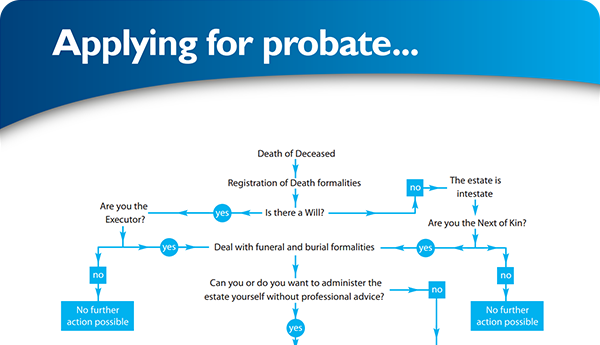
Testimonials
Excellent service, everything went very smoothly. Like to thank Ann and her team.... read more
Good & Reliable service, always kept up to date with what was happening. Value for money.... read more
Latest Tweet
Follow @ProbateBureau


Contact Us
0800 028 2837 info@probatebureau.comTHE PROBATE BUREAU
3 Crane Mead Business Park
Crane Mead
Ware
Hertfordshire
SG12 9PZ
×