


What Documents Do You Need for Probate?

What Documents Do You Need for Probate? Dealing with the administration of a loved one's estate is rarely straightforward. One of the first questions people ask is: what probate documents do I actually need to pull together? Getting this right from the start can save weeks of delays and prevent unne... read more
Can You Access Bank Accounts Before Probate?

Can You Access Bank Accounts Before Probate? It’s easy to feel lost when you’re bereaved, and managing the financial side of an estate can feel particularly daunting at such a difficult time. When bills are coming in and funeral arrangements need to be paid for, discovering that a loved ... read more
Do You Need Probate to Sell a House in the UK?

Do You Need Probate to Sell a House in the UK? If you’re dealing with a loved one’s estate, one of the first questions you’ll face is whether probate is needed before the property can be sold. The short answer is: usually, yes. Probate is generally required when the deceased died a... read more
How Long Does Probate Take?

How Long Does Probate Take? Whilst there are a variety of factors that can affect the timeline of the probate process, including whether or not there is a will present, it can be easy to wonder 'how long does probate take?'. On average, in England and Wales, you will typically find that it takes bet... read more
Recent posts
- What Documents Do You Need for Probate? By Probate Bureau, 26/05/2026
- Can You Access Bank Accounts Before Probate? By Probate Bereau, 26/05/2026
- Do You Need Probate to Sell a House in the UK? By Probate Bereau, 26/05/2026
2015 Archive
2016 Archive
2018 Archive
2019 Archive
2020 Archive
2023 Archive
- July 10 posts
0 Archive
- December 1 posts
Blog Categories
Find your way through the probate maze
Click here to follow our step-by–step probate process guide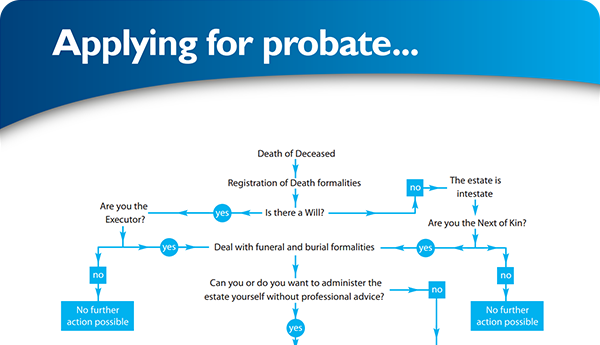
Testimonials
Excellent service, everything went very smoothly. Like to thank Ann and her team.... read more
Good & Reliable service, always kept up to date with what was happening. Value for money.... read more
Latest Tweet
Follow @ProbateBureau


Contact Us
0800 028 2837 info@probatebureau.comTHE PROBATE BUREAU
3 Crane Mead Business Park
Crane Mead
Ware
Hertfordshire
SG12 9PZ
×