The Different Types of Probate Forms
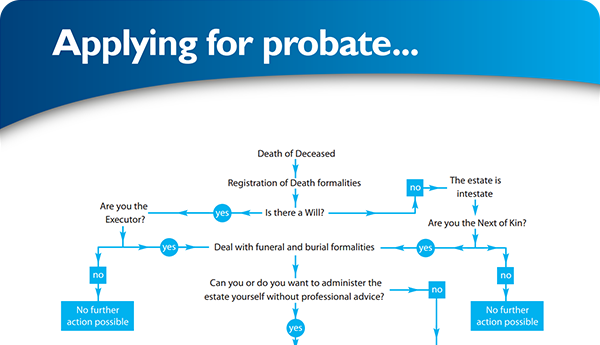
One of the unerring facts of life is that whenever you want something doing, you will almost certainly have to fill out a huge number of forms before the process gets rolling. Unfortunately this is the case when it comes to the probate process, as there are a number of different forms that you will have to deal with before you are granted permission to deal with the estate of a deceased person. This is true regardless of whether the deceased person has left a will or not, so it is important to understand the probate process and to be prepared to fill in the necessary probate forms…
Form PA1
Form PA1 is the standard probate form that everyone has to fill out when they are applying for probate, regardless of whether a will has been left or not. It is simple to obtain as it can be downloaded straight to your computer from the HMRC website, although it is also possible to order it through the post as well. To accompany this probate form there are also a number of different leaflets (named PA1A, PA2, PA3 and PA4) which will guide you through all of the different sections of the form to make sure that you fill it out correctly. Please note that this form only applies to people living in England and Wales. For those in Scotland and Northern Ireland, different forms must be used and they are also available to download from this website.
IHT205 (2006) Probate Form
This probate form is to be used in the event of the deceased’s estate being classed as an “excepted estate” and if they died after 1st September 2006. An excepted estate is classified as an estate that is of low value (usually under the Inheritance Tax threshold of £325,000). It is also the case that British nationals living abroad can have excepted estates, as can those leaving all of their estate to a spouse or charity.
IHT207 (2006) Probate Form
This form is required to be filled in should the deceased live abroad or have limited assets. It is the case that everyone using this form should also fill out the IHT207 form mentioned above as well, although everyone filling in that form won’t necessary have to complete this one as well.
These are just a few of the forms that you will find yourself coming face to face with when applying for probate and dealing with the related issues surrounding it. There will be more as well, which is why it is often prudent to hire the services of a business that specialises in completing the process. Although they will charge for this service, it does mean that they can help with everything from the initial probate application form all the way through to the more complex probate forms that can come along later in the process. They can also take all of the pressure off your shoulders, therefore meaning that you can get on with your life and not worry about the administrative chores that you have to complete.

Recent Comments