Archive

Archive for the ‘Probate’ Category

Intestacy

July 20th, 2012

Did you know that only about 30% of people in the UK leave a valid Will?

Many people either think it unnecessary or just never get round to doing it. However, it is the one document that every adult should have and where The Probate Burea can really help. In particular, if you have children aged under 18, are on your second marriage or have notable assets.

It is surprising how many affluential people die without accounting for the distribution of their estates. Below is a list of some well-known people who have died intestate:

Share and Enjoy:
  • Digg
  • del.icio.us
  • Facebook
  • Reddit
  • StumbleUpon
  • Google Bookmarks
  • Twitter
  • Technorati
  • Live
  • LinkedIn
  • MySpace

What is Probate and Do I Need It?

December 28th, 2011

What is Probate?

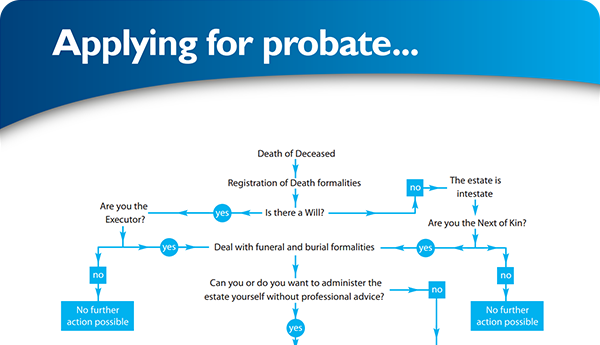
Probate is a far reaching term that applies to a number of situations in the world of Wills – although in all cases the general gist of the meaning remains the same. In a nutshell though, it is a term used when someone is applying to have the legal right to deal with the affairs of a deceased person and it is also often called “administering the estate”.

There are two different types of probate and these occur when a person dies and neglects to leave a will, and when a person dies but does leave a will. In each instance, the act of applying for probate is different. When a person does leave a will, the process is a lot simpler – they simply have to apply to the Probate Registry and they are given the authority to administer the estate through a “grant of letters of administration”. With deceased people not leaving a will, the application still goes to the Probate Registry, but should the application be successful, a “grant of probate will be issued” instead.

In both circumstances, the person holding the legal right to administer the estate will be responsible for dealing with all of the affairs that the deceased person has left behind, such as bank accounts, property and other details. It is possible for more than one person to act in this role, should the amount of work be too much for an individual to cope with themselves, or when a child will be in receipt of the deceased person’s assets.

Do I Need Probate?

There are certain situations when probate is always needed, but at the same time there are a number of different situations where probate is not needed. Probate will always be needed when dealing with any shares or stocks that a person has and also when dealing with some insurance policies. It will also be needed should the deceased own a piece of land or property that is registered in their own name or as “tenants in common”. When dealing with the above aspects, most organizations will refuse to release any funds until they have seen the probate documentation. In some cases though – usually when the amounts are very small – the organization will release the funds at their own discretion.

Probate will not be needed in situations whereby the person died had less than £5,000 in their possession or, more commonly, when all of their assets are jointly owned by someone else and therefore they automatically become the co-owner’s property. This means that spouses of a deceased person usually don’t need to apply for probate for the property that they shared.

Deciding whether or not you need to apply for probate is a simple process. All you need to do is simply send a copy of the deceased person’s death certificate to the organization that holds the money you want released. They will then respond to you and let you know whether probate is required or not. If you want the pain taken out of the probate process, just contact The Probate Bureau for advice and help.

Share and Enjoy:
  • Digg
  • del.icio.us
  • Facebook
  • Reddit
  • StumbleUpon
  • Google Bookmarks
  • Twitter
  • Technorati
  • Live
  • LinkedIn
  • MySpace

Where Can I Find Probate Advice and Help?

December 27th, 2011

The issue of probate can often be a really stressful one for anyone in the position of having to apply for it, as not only do they have all of the pressure of looking after a deceased person’s estate, but they are also often still heavily involved in the grieving process as well. Because of this huge amount of pressure, many people look for outside advice when going through the process of probate and there are a couple of different places that provide probate advice and help throughout the country. So, if you need probate advice and help then the places listed below could be the perfect choice for you to look at…

Government Websites

Although most people are slightly wary of anything to do with the government, the fact is that they are the single most reliable people to go to should you require probate advice or need probate help. After all, they are not looking to make any money from you – all they want to do is ensure that you go through the correct channels and that you sort your problem with the minimum amount of fuss, both to yourself and to the system that deals with the process!

There are a number of different official sites out there dealing with the issue of probate, but the best one for a general overview of the process and for finding contact details of trustworthy people to speak to is without doubt the direct.gov website. This deals with a huge multitude of issues, of which probate is just one. It will also talk you through related aspects of the whole process, such as registering a death correctly.

Independent Sites

There are a number of different sites out there that devote their whole business to assisting people with problems relating to probate and providing probate advice and assistance. Granted, they will charge a fee for their services, but they will also take a lot of the pressure away from you and allow you to spend time with your family and friends while you go through the grieving process.

The number of different independent sites online for your area will be quite staggering and it is often difficult to decide on whom to use. The best way to decide is to both speak to people you know who have used the services, therefore getting opinions on whether they were satisfied, and to also look online and read reviews of the different companies. Also, speak to them individually and ascertain the amount of money they charge and also, more importantly, the level of service that they offer.

Whether you choose to seek advice from the government or whether you choose an independent company, such as: Probate Bureau, the fact is that you will be in a much better place than you were when you had absolutely no assistance whatsoever. Don’t be afraid to ask for probate help and adv ice – after all, the whole process is often a confusing one, especially if you haven’t been through it before.

Share and Enjoy:
  • Digg
  • del.icio.us
  • Facebook
  • Reddit
  • StumbleUpon
  • Google Bookmarks
  • Twitter
  • Technorati
  • Live
  • LinkedIn
  • MySpace

Dealing with Probate

December 5th, 2011

Dealing with probate is a lengthy business. Even the smallest and most straightforward cases can take around nine months to resolve once the Grant or Letter of Administration has been issued. If you are considering applying for probate, you will first need to determine which of these you will need.

Deciding to carry out the probate process yourself is not something that you should undertake lightly because it is carries such a weight of responsibility and is a lot of work. It is estimated to take an average of 80 hours over the course of months and you may be legally liable if you make any financial mistakes. In addition, although you may save money and you are legally allowed to carry out much of the process yourself there are occasions where you still may need to pay for the services of a solicitor.

If you are considering dealing with probate yourself, contact the probate bureau for some free advice. The Probate Bureau will explain the whole process so that you can decide whether you wish to take this legal position on, and do not realise too late, just what you have let yourself in for! They will be able to help you make the decision that suits you best and they also have a network of financial advisors, and trained solicitors who can provide support should you need it.

The Probate bureau can administer the whole estate and provide a complete service in dealing with probate for you should you wish. They can gather all the relevant financial information , help return legal documents such as passports and driving licenses , oversee payment of bills and gather all the vital pieces of information necessary for applying for probate. Once probate is granted, the probate bureau can administer all the stages of the estate administration. You will be quoted a set probate fee in advance, payable from estate funds and your account administrator will help you through ever step of the way.

If you live in the south of England or in or around London you can meet with a Probate Bureau representative in your own home. Find out more by calling the free phone line and speaking to an adviser.

Probate should be started as soon as possible. That way you will avoid any possibility of fraud or financial wrongdoing. Dealing with probate involves numerous organisations, individuals and government departments and you need to be sure that everything is carried out correctly according to the law and the wishes of the deceased. Although some people feel complimented by being named as an executor of a Will, when the situation finally arises, it can be much harder than anticipated. Dealing with the grief of bereavement and applying for probate at the same time can put extra stain on an already distressing situation. Contact the Probate Bureau to find out more about dealing with probate and save yourself time and stress by allowing them to help you carry out the wishes of your loved one.

Share and Enjoy:
  • Digg
  • del.icio.us
  • Facebook
  • Reddit
  • StumbleUpon
  • Google Bookmarks
  • Twitter
  • Technorati
  • Live
  • LinkedIn
  • MySpace

The Different Types of Probate Forms

November 26th, 2011

One of the unerring facts of life is that whenever you want something doing, you will almost certainly have to fill out a huge number of forms before the process gets rolling. Unfortunately this is the case when it comes to the probate process, as there are a number of different forms that you will have to deal with before you are granted permission to deal with the estate of a deceased person. This is true regardless of whether the deceased person has left a will or not, so it is important to understand the probate process and to be prepared to fill in the necessary probate forms…

Form PA1

Form PA1 is the standard probate form that everyone has to fill out when they are applying for probate, regardless of whether a will has been left or not. It is simple to obtain as it can be downloaded straight to your computer from the HMRC website, although it is also possible to order it through the post as well. To accompany this probate form there are also a number of different leaflets (named PA1A, PA2, PA3 and PA4) which will guide you through all of the different sections of the form to make sure that you fill it out correctly. Please note that this form only applies to people living in England and Wales. For those in Scotland and Northern Ireland, different forms must be used and they are also available to download from this website.

IHT205 (2006) Probate Form

This probate form is to be used in the event of the deceased’s estate being classed as an “excepted estate” and if they died after 1st September 2006. An excepted estate is classified as an estate that is of low value (usually under the Inheritance Tax threshold of £325,000). It is also the case that British nationals living abroad can have excepted estates, as can those leaving all of their estate to a spouse or charity.

IHT207 (2006) Probate Form

This form is required to be filled in should the deceased live abroad or have limited assets. It is the case that everyone using this form should also fill out the IHT207 form mentioned above as well, although everyone filling in that form won’t necessary have to complete this one as well.

These are just a few of the forms that you will find yourself coming face to face with when applying for probate and dealing with the related issues surrounding it. There will be more as well, which is why it is often prudent to hire the services of a business that specialises in completing the process. Although they will charge for this service, it does mean that they can help with everything from the initial probate application form all the way through to the more complex probate forms that can come along later in the process. They can also take all of the pressure off your shoulders, therefore meaning that you can get on with your life and not worry about the administrative chores that you have to complete.

Share and Enjoy:
  • Digg
  • del.icio.us
  • Facebook
  • Reddit
  • StumbleUpon
  • Google Bookmarks
  • Twitter
  • Technorati
  • Live
  • LinkedIn
  • MySpace