


Power of Attorney vs Deputyship: Which Do You Need?

Planning for the future includes considering what happens if you are unable to manage your own finances or make important decisions. Two legal options in England and Wales allow someone else to act on your behalf: a Lasting Power of Attorney (LPA) and a deputyship. Understanding the difference between the two, and when each is required, is crucial for protecting your interests and ensuring that your affairs are managed according to your wishes.
This guide explains the key differences, the application process, the costs involved, and practical considerations to help you decide whether an LPA or deputyship is the right solution for you or a loved one.
What Is a Lasting Power of Attorney?
A Lasting Power of Attorney (LPA) is a legal document that allows you to appoint someone you trust to make decisions on your behalf if you lose the ability to do so yourself. There are two main types of LPA available in England and Wales.
Property and Financial Affairs LPA allows your attorney to manage your money, pay bills, deal with bank accounts, and handle property matters.
Health and Welfare LPA allows your attorney to make decisions about medical care, daily routines, treatment options, and where you live.
The key benefit of an LPA is that it can be created while you still have mental capacity. You choose the person or people you trust to act for you and can include instructions or restrictions on how decisions are made. An LPA may allow your attorney to act immediately after registration or only if you lose mental capacity, depending on your preferences.
What Is Deputyship?
Deputyship is a legal arrangement made through the Court of Protection when someone does not have a valid LPA in place and lacks the mental capacity to make decisions for themselves. A deputy is appointed by the court to make decisions on the person’s behalf relating to finances, health, or welfare.
Deputyship is usually required where no LPA exists or where an existing LPA is invalid or insufficient. Unlike an LPA, a deputy’s authority is granted by the court and remains subject to ongoing supervision to ensure decisions are made in the person’s best interests.
Key Differences Between LPA and Deputyship
The primary difference between a power of attorney and deputyship lies in how and when authority is granted. An LPA is voluntary and arranged while you still have mental capacity, allowing you to plan ahead and select your own attorney.
Deputyship, by contrast, occurs after a person has already lost capacity. The Court of Protection appoints a deputy and supervises their actions through reporting requirements and oversight.
Cost and complexity also differ significantly. Creating an LPA is generally quicker, simpler, and less expensive. Deputyship applications require medical evidence, court approval, and ongoing annual supervision, making the process more time-consuming and costly.
When Do You Need an LPA or Deputyship?
You should consider creating an LPA if you want to prepare for situations where you may lose capacity due to illness, accident, or ageing. An LPA ensures someone you trust can manage financial matters or healthcare decisions according to your wishes.
Deputyship becomes necessary when no LPA exists and a person is no longer capable of managing their affairs. For example, if an individual develops dementia without preparing an LPA, a family member may need to apply to the Court of Protection to become a deputy. Deputyship may also be required where an existing LPA does not cover necessary decisions.
Costs and Application Process
Setting up an LPA involves completing prescribed forms, submitting them to the Office of the Public Guardian for registration, and paying a government registration fee. Many people choose professional assistance to ensure the document is completed correctly.
Deputyship applications are more complex. The court requires detailed medical evidence confirming lack of capacity, and once appointed, deputies must submit annual financial reports and comply with supervision requirements. Court fees and ongoing costs are typically higher than those associated with LPAs.
Planning ahead by arranging an LPA can often prevent the need for deputyship later, saving time, expense, and stress for family members.
Practical Considerations
When deciding between an LPA and deputyship, consider who you trust to act on your behalf, the decisions they may need to make, and whether arrangements can be put in place while you still have capacity.
A well-prepared LPA provides clarity and reassurance for loved ones, ensuring decisions reflect your preferences. If deputyship is required, professional advice is strongly recommended to avoid delays, errors, or disputes during the court application process.
Why Creating an LPA Is the Best Option
Where possible, creating an LPA is generally the preferred approach. It avoids court involvement, reduces costs, and allows you to retain control over who manages your affairs. Your chosen attorney can act at the appropriate time according to your instructions.
At The Probate Bureau, we provide professional assistance with LPAs, helping clients establish both property and financial affairs and health and welfare powers. Our service ensures your LPA is legally valid, properly registered, and ready for use if required.
Next Steps
If you have not yet prepared an LPA, taking action now can protect your interests and prevent future complications. Planning ahead ensures your wishes are followed and reduces the likelihood of court involvement.
Contact The Probate Bureau today to discuss your options and receive guidance on preparing a legally sound Lasting Power of Attorney. Understanding LPAs and deputyship arrangements provides peace of mind that your finances, health, and welfare will be properly managed if you are unable to make decisions yourself.
Frequently Asked Questions About Power of Attorney and Deputyship
1. What is the difference between a Lasting Power of Attorney and deputyship?
A Lasting Power of Attorney is created while you have mental capacity and allows you to appoint someone to act for you. Deputyship is granted by the Court of Protection after a person has lost capacity and does not have a valid LPA.
2. Who can be appointed as an attorney or deputy?
An attorney is usually a trusted family member, friend, or professional adviser. A deputy is often a relative, although the court may appoint a professional deputy if necessary.
3. When should I create an LPA?
It is advisable to create an LPA as early as possible, as loss of capacity can occur unexpectedly through illness or accident.
4. What happens if someone loses capacity without an LPA?
A family member or trusted individual must apply to the Court of Protection for deputyship, which is typically more complex and expensive than setting up an LPA in advance.
5. What decisions can an LPA cover?
LPAs can cover property and financial affairs as well as health and welfare decisions, depending on the type created.
6. How much does it cost to set up an LPA or deputyship?
An LPA requires a registration fee and optional legal costs, while deputyship involves court fees, medical reports, and ongoing supervision charges.
7. Can an LPA be challenged?
Yes, challenges may occur if validity or conduct concerns arise, although properly prepared and registered LPAs are generally secure.
8. Can more than one person be appointed?
Yes, multiple attorneys or deputies may be appointed to act jointly or jointly and severally.
9. How long does an LPA or deputyship last?
An LPA lasts indefinitely once registered, while deputyship continues until capacity returns, the person dies, or the court ends the appointment.
10. Why is creating an LPA preferable?
An LPA allows you to retain control, avoid court involvement, reduce costs, and ensure your wishes are respected.
Back To BlogShare This Post


Recent posts
- What Happens If You Die Without a Will in England and Wales By Admin , 04/03/2026
- Power of Attorney vs Deputyship: Which Do You Need? By Admin , 04/03/2026
- Probate Delays and How to Speed Things Up in 2026 By Admin , 03/02/2026
2015 Archive
2016 Archive
2018 Archive
2019 Archive
2020 Archive
0 Archive
- December 2 posts
2023 Archive
- July 10 posts
Blog Categories
Find your way through the probate maze
Click here to follow our step-by–step probate process guide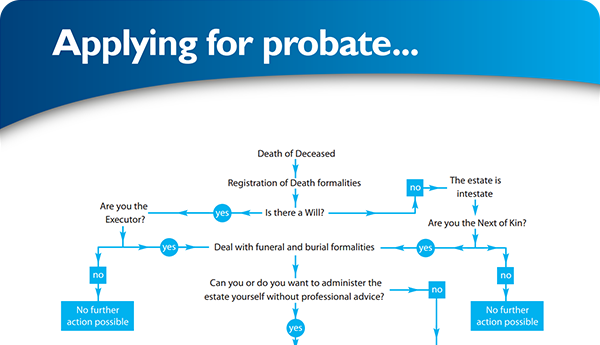
Testimonials
Excellent service, everything went very smoothly. Like to thank Ann and her team.... read more
Good & Reliable service, always kept up to date with what was happening. Value for money.... read more
Latest Tweet
Follow @ProbateBureau


Contact Us
0800 028 2837 info@probatebureau.comTHE PROBATE BUREAU
3 Crane Mead Business Park
Crane Mead
Ware
Hertfordshire
SG12 9PZ
×