


Discretionary trusts explained for families

A discretionary trust lets the trustees you choose decide which beneficiaries receive income or capital, how much they get and when, rather than fixing shares in advance. It is a way to protect family wealth while leaving room for life to change. Picture grandchildren who are still at school, a son ... read more
Letter of wishes

A letter of wishes is a private, non-binding note kept with your will that guides your executors and trustees. It does not change the legal terms of your will, but it explains how and why you would like decisions to be made. Your will says what happens to your estate. A letter of wishes explains the... read more
What Is a Trust in a Will & How Does It Work?

A trust in a will, also called a will trust, is a provision written into your will that only takes effect after you die: your executors pass assets to trustees, who then manage them for your beneficiaries under the instructions set out in the will. People use will trusts to protect children, provide... read more
What is a life interest trust?

A life interest trust lets someone, usually a surviving partner, live in a home or receive income for life, while the capital passes to others, often children, when they die. The person with the right to the income or the home is called the life tenant. Imagine you want your spouse to feel secure in... read more
Recent posts
- Discretionary trusts explained for families By Probate Bureau, 29/10/2026
- Letter of wishes By Probate Bureau, 29/10/2026
- What Is a Trust in a Will & How Does It Work? By Probate Bureau, 29/10/2026
2015 Archive
2016 Archive
2018 Archive
2019 Archive
2020 Archive
2026 Archive
2023 Archive
- July 13 posts
0 Archive
- December 1 posts
Blog Categories
Find your way through the probate maze
Click here to follow our step-by–step probate process guide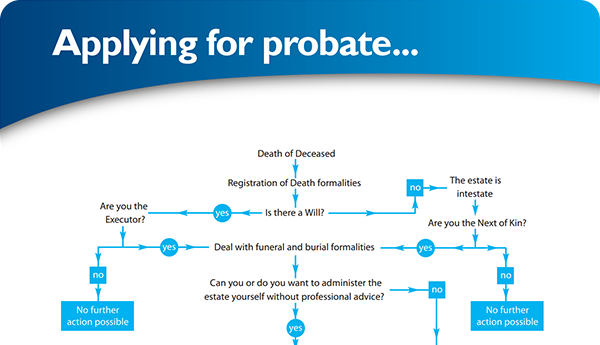
Testimonials
Excellent service, everything went very smoothly. Like to thank Ann and her team.... read more
Good & Reliable service, always kept up to date with what was happening. Value for money.... read more
Latest Tweet
Follow @ProbateBureau


Contact Us
0800 028 2837 info@probatebureau.comTHE PROBATE BUREAU
3 Crane Mead Business Park
Crane Mead
Ware
Hertfordshire
SG12 9PZ
×