


What is a deed of variation and when does it make sense?

What is a deed of variation and when does it make sense?
Yes, you can change who inherits after someone has died, by signing a deed of variation within two years of the death. It is a legal document, signed by the beneficiary giving something up, that redirects an inheritance as if the person who died had left it that way.
Families use deeds of variation more often than you might expect. It is a common, legitimate step, and it is often agreed calmly between people who simply want the estate of their loved one to work better for everyone. This guide explains what a deed of variation does, the conditions HMRC looks for, when it makes sense and when it does not. It also covers when HMRC needs to see it and how it fits alongside probate. If you are dealing with an estate right now, our fixed fee probate service can help you with the wider administration while you decide.
This is general information for England and Wales, not personal tax or legal advice.
What a deed of variation does
A deed of variation is a legal document that allows the people who inherit under a will, or under the intestacy rules, to change where their inheritance goes after the death. Intestacy is the position when someone dies without a valid will. The variation must be completed within the two-year window that starts on the date of death.
The deed rewrites the destination of the gift, not the will itself. The original will stays exactly as it was signed. What changes is who ends up with the assets, and how that part of the estate is distributed. A variation can redirect assets to new beneficiaries who were not named before, but only if an original beneficiary gives up part or all of their share for that to happen.
The main benefit is how the law treats it. Under section 142 of the Inheritance Tax Act 1984, a qualifying variation made within two years is treated for inheritance tax as if the person who died had made it. In other words, HMRC reads the deceased person's estate as though they had left their assets that way in the first place. The beneficiary who gave up their share is not treated as having made a gift of their own, so the usual seven years rule for lifetime gifts does not apply to what they redirect.
You may also hear about a disclaimer. A disclaimer is a related but simpler route, where a beneficiary refuses a gift altogether and it passes as if they had died first. A deed of variation is more flexible, because it lets you say exactly who should receive what has been given up.
The four conditions HMRC looks for
For the variation to be recognised, HMRC looks for four conditions. They come from section 142 of the Inheritance Tax Act 1984 and from HMRC's Capital Gains Manual at CG31650, which deals with the same variations for capital gains tax (CGT) under section 62 of the Taxation of Chargeable Gains Act 1992.
- It is in writing and made within two years. The deed must be a written, formal document, and it must be made before the two-year deadline passes.
- The people giving up entitlement are parties to it. Whoever is giving up their share must sign the deed. Nobody can give up someone else's inheritance for them.
- No payment in money or money's worth. The person giving something up cannot receive anything in return for doing so. This is set out in section 142(3).
- A statement of intent is included. The deed must say that the parties involved intend the variation to have the inheritance tax and capital gains tax treatment described above.
If any of these is missing, the deed may not qualify. That is why the specific wording matters, and why it is wise to check the deed against all four conditions before anyone signs. A correctly drafted deed is also signed as a deed in front of a witness, which is what makes it legally binding.
When a deed of variation makes sense
Every family is different, and the tax implications depend on your own circumstances. The scenarios below are general examples of why families choose to vary an inheritance, not advice on what you should do.
Skipping a generation
A mother leaves her estate to her son. Her son is comfortable financially and would like his own children to benefit instead. With a deed of variation, he can redirect all or part of his inheritance to the next generation, for example his children or grandchildren. Because the variation is treated as made by his mother, he is not treated as making a gift himself, which can help reduce inheritance tax on his own estate later.
Redirecting to a spouse or charity
A father leaves a share of his estate to his daughter, but she would rather her husband or a charity she cares about received it. A deed of variation allows her to redirect what she was due. Gifts to a spouse or civil partner and to UK charities are generally exempt from inheritance tax, so the choice can change the inheritance tax payable by the estate. She must not receive anything in return, so the redirection has to be a genuine gift.
Providing for someone who was left out
Sometimes a will does not provide for someone the family feels should have been looked after, such as a stepchild or a family member who cared for the person who died. The beneficiaries can agree to give up part of their shares so that person receives something. Everyone giving up part of their entitlement must sign, and each of the affected beneficiaries should understand exactly what they are giving up.
Tidying up an intestacy under the intestacy rules
When there is no will, the law decides who inherits, and the result does not always match the wishes the family believes the person would have had. A deed of variation lets the people entitled under the intestacy rules agree a different split, within two years of the death.
In each case, the key is that the beneficiaries agree, the terms are clear and the conditions in the previous section are met. Tax planning of this kind can be worthwhile, but the tax advantages should never be the only reason to sign. Our guide to inheritance tax thresholds for 2026/27 gives useful background if you are weighing up the tax position.
When it is not the right tool
A deed of variation is not always the answer. Think twice if any of these applies.
- The deadline has passed. The two-year window is firm. HMRC's Inheritance Tax Manual at IHTM35013 explains that the variation must be made within that period to receive the special treatment. If you are close to the deadline, act early.
- The beneficiary wants something in return. If someone is only willing to give up their share in exchange for money or another benefit, the variation will not meet the no-consideration condition in section 142(3). A swap or a payment changes the legal picture entirely.
- The beneficiary has not agreed. Nobody can be made to sign. If the person who would give something up is unwilling, or cannot be traced, a variation is not available for their share.
- A beneficiary lacks capacity or is a child. Where a beneficiary lacks capacity, nobody can simply sign on their behalf, and an application to the Court of Protection may be needed. Reducing a minor's interest also needs court approval, because a child cannot sign a deed.
- A beneficiary receives means-tested benefits. Giving up an inheritance can be treated as deliberately depriving yourself of money, so it may not protect means tested benefits and can have unintended consequences.
A signed deed is generally irrevocable, and the same assets cannot usually be varied a second time for tax purposes. If you are unsure whether a deed of variation suits your situation, professional advice is strongly recommended before anyone signs anything.
Do you need to tell HMRC?
Not always. You only need to send the deed to HMRC when the variation creates extra tax, meaning more inheritance tax is due. If it does, HMRC's guidance at IHTM35013 says it should be sent within six months of the date it is signed.
The statement of intent matters here too. It must sit within the deed itself, not in a separate letter or document, according to the same HMRC guidance.
HMRC also publishes a checklist, form IOV2, which helps you check that a deed contains what HMRC expects. The copy linked here is an older version, so look on GOV.UK to see whether a newer one has replaced it before you rely on it.
If no extra tax arises, you do not need to send the deed to HMRC. You should still keep it safely with the estate papers, because it records who inherited what and why.
How a deed of variation fits alongside probate
Many people assume you have to wait until probate is complete before changing who inherits. That is not the case. HMRC's manual at IHTM35021 indicates that a variation can be made before the grant of representation is issued. Equally, a variation can be made after probate, as long as it falls within the two years.
Because timing within the two-year window does not change the treatment, you can take your time to agree terms. It is still sensible to think about the variation early, so that the personal representatives know who is receiving what before they start paying out.
The personal representatives are the people dealing with the estate, such as the executors named in a will. Each personal representative needs to know about any variation, because they will distribute the estate according to the deed. Dealing with a deed of variation alongside the rest of the administration helps keep everything consistent. Our fixed fee probate service covers obtaining the grant and, if you choose, handling the full administration, so a variation can be built into the plan from the start.
Practical steps and who should sign
If you think a deed of variation might help, these steps give you a sensible order of work.
- Identify the beneficiaries. Work out who inherits under the will or the intestacy rules, and what each person is due. Note whose shares would be reduced by the change.
- Agree the terms. Everyone giving something up needs to understand and agree what they are giving up and who will receive it. Remember that nothing can be given in return.
- Have the deed drafted. Make sure it is in writing, names the people giving up their entitlement, redirects the gift clearly and includes the statement of intent. A solicitor can prepare it and explain the effect on each person.
- Sign it within two years. The people giving up entitlement must sign, with each signature witnessed. Where the variation creates extra tax, the personal representatives must also join in, under section 142(2A) of the Inheritance Tax Act 1984.
- Tell HMRC if extra tax arises. If it does, send the deed within six months of signing.
- Keep copies. Keep the signed deed with the will and the estate papers, and give a copy to the personal representatives.
Talk it through with our team
A deed of variation works best when it is planned alongside the rest of the estate. If you are dealing with probate and wondering whether a variation could help your family, our Ware-based team can talk it through as part of our fixed fee probate service. Request a callback or call 0800 028 2837.
Key takeaways
- A deed of variation lets beneficiaries redirect an inheritance after a death.
- It must be in writing and made within two years of the death.
- The person giving up their share must sign, and they cannot be paid for doing so.
- The deed must include a statement of intent for the inheritance tax and capital gains tax treatment to apply.
- HMRC only needs to see it within six months if it creates extra tax.
Deed of variation FAQs
Can you change a will after someone has died?
Yes. You cannot alter the will itself, but the beneficiaries can redirect what they inherit by signing a deed of variation within two years of the death. The same applies where there was no will and the estate passes under the rules of intestacy.
How long do you have to do a deed of variation?
You have two years from the date of death. HMRC treats the variation as made by the person who died only if it falls within that period, so it is best to start well before the deadline.
Does a deed of variation need to be sent to HMRC?
Only if it increases the tax payable. In that case, it should be sent to HMRC within six months of the date it is signed. If it creates no extra tax, you do not need to send it, but you should keep it with the estate papers.
Who needs to sign a deed of variation?
The beneficiaries who are giving up some or all of their entitlement must sign it, so if multiple beneficiaries are affected, each of them signs. They can all sign the same deed, or each can sign their own deed. Where the variation leads to extra tax, the personal representatives must also join in the deed.
Can a deed of variation be done after probate?
Yes. A variation can be made before or after the grant of representation is issued, as long as it is within two years of the death. The timing within that window does not change the treatment.
Can you have more than one deed of variation?
Yes, different beneficiaries can each vary their own share, so an estate can have several deeds. What you generally cannot do is vary the same gift twice, so it is important to get the wording right first time.
Useful resources
- Inheritance Tax Act 1984, section 142 (legislation.gov.uk)
- HMRC Inheritance Tax Manual, IHTM35013
- HMRC Capital Gains Manual, CG31650
- HMRC form IOV2 checklist (GOV.UK)
Share This Post


Recent posts
- What is a deed of variation and when does it make sense? By Probate Bureau , 26/11/2026
- What does a grant of probate look like, and who needs a copy? By Probate Bureau , 26/11/2026
- Probate property valuations: how to get it right first time By Probate Bureau , 25/11/2026
2015 Archive
2016 Archive
2018 Archive
2019 Archive
2020 Archive
2026 Archive
2023 Archive
- July 13 posts
0 Archive
- December 1 posts
Blog Categories
Find your way through the probate maze
Click here to follow our step-by–step probate process guide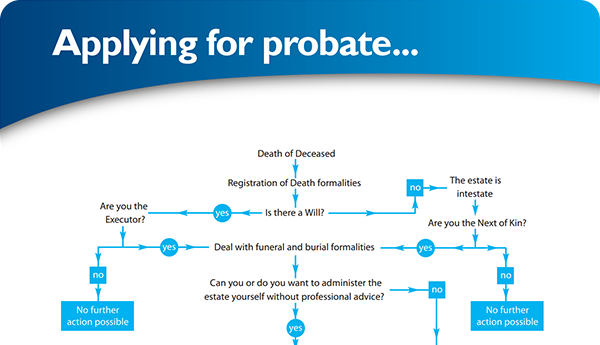
Testimonials
Excellent service, everything went very smoothly. Like to thank Ann and her team.... read more
Good & Reliable service, always kept up to date with what was happening. Value for money.... read more
Latest Tweet
Follow @ProbateBureau


Contact Us
0800 028 2837 info@probatebureau.comTHE PROBATE BUREAU
3 Crane Mead Business Park
Crane Mead
Ware
Hertfordshire
SG12 9PZ
×