


Selling House Probate UK: Complete Guide

When you are responsible for selling a house during probate, the task can feel daunting on top of everything else. Probate is rarely straightforward, especially when the deceased person's estate includes a home. This guide explains the selling house probate UK rules in plain English, walking you through the legal process, how the property is valued, what tax might apply, and how to keep the sale moving. It is written for executors and administrators handling a loved one's estate in Ware, Hertfordshire and the surrounding areas.
Do you need probate to sell the house first?
Do you need probate before you can sell a property? In most cases, yes. If the home was in the deceased's sole name, you will usually need a grant of probate (or letters of administration where there is no will) before the sale can complete. The grant is the legal document, issued by the probate registry, that gives the executor or administrator the legal right to deal with the deceased person's assets, including the property. Until you have been granted probate, you do not have the court approval needed to transfer legal title.
Jointly owned property, joint tenants and civil partners
There are exceptions. Where the property was held as joint tenants with a surviving spouse or civil partner, ownership passes automatically by survivorship, so probate may not be needed for that property. Where the home was owned as tenants in common, or the deceased owned it alone, a grant is normally required. If you are dealing with someone's estate as a family member, check the title carefully before assuming you can sell someone's property, as rights for a civil partner are similar to a spouse's where ownership passes automatically. For a fuller explanation, read our guide on whether you need probate to sell a house.
|
How the property was owned |
Is probate usually needed to sell? |
|---|---|
|
Sole owner (in the deceased's name only) |
Yes, a grant is normally required |
|
Tenants in common with another person |
Yes, for the deceased's share |
|
Joint tenants with a surviving owner |
No, it passes automatically by survivorship |
Not sure which rules apply to your situation? Our team can talk it through with you. Learn more about our fixed-fee probate administration service.
The selling house probate UK process step by step
Here is a simplified overview of how selling a house during probate usually works:
- Register the death and obtain the death certificate, locate the will, and confirm who is acting as executor or administrator. If there is no will, the intestacy rules decide who can act.
- Value the property at its open market value on the date of death (known as the probate value), as executors are legally responsible for valuing the estate's assets.
- Start the probate application. You can apply for probate through GOV.UK yourself, or ask a professional to handle it for you.
- Once the grant is issued, instruct an estate agent and market the property (you can often start earlier, see below).
- Agree a sale, exchange contracts, and complete once the grant is in place.
- Settle any outstanding debts, taxes and fees, as executors must ensure the estate's debts are settled before distribution, then begin distributing assets to the beneficiaries. Remember other assets, such as bank accounts, may also need dealing with.
Valuing the property correctly
Valuations sit at the heart of any selling house probate UK case, for two reasons. First, the probate valuation, alongside a proper property valuation, forms part of the estate's value for inheritance tax purposes. For a home that is the most valuable asset in the estate, getting this right matters. Second, it becomes the base cost for any capital gains tax (CGT) if the property later sells for more. A professional valuation of the estate assets from a qualified surveyor at the date of death is the safest approach for probate purposes, as executors must sell the property for its market value and have a legal duty to obtain a reasonable market value for the property.
If the estate is worth more than the inheritance tax threshold of £325,000 (the nil-rate band), you may need to complete an inheritance tax form and pay any tax due before the grant is issued. A further residence nil-rate band of up to £175,000 can apply where a home passes to children or grandchildren. The change of ownership must also be recorded at the Land Registry when the property is sold.
Can you market the house before probate is granted?
One of the most common selling house probate UK questions is whether you can start before the grant arrives. You can market the property and even agree a sale, but the sale cannot legally complete until the grant has been issued. Most buyers' solicitors understand this.
Marketing early does not breach any legal obligation, and it removes delay once the grant lands. Starting early is often the practical way to keep a probate property sale moving.
Instructing an estate agent
Choose an estate agent who has handled probate sales before, as they will understand the timing around the grant. When selling property in an estate, local knowledge can make all the difference. Get more than one valuation and check local demand around Ware.
When can you exchange contracts?
You can agree a sale and prepare the paperwork early, but you normally cannot exchange contracts until the grant has been issued, because the personal representative needs legal authority to sell. Contracts only become legally binding at exchange, so a conveyancing solicitor will usually wait for the grant.
Using a bridging loan before probate is granted
Some families use a bridging loan to cover costs, such as inheritance tax, before the grant is issued and estate funds are released. Bridging finance is short term and carries interest, so weigh the cost against the delay it removes.
Inheritance tax when selling a house during probate
Tax is often the trickiest part of selling house probate UK. Two taxes can arise on the deceased's estate: inheritance tax and capital gains tax.
When do you pay inheritance tax?
Inheritance tax is usually settled before the grant. If the estate is worth more than the nil-rate band of £325,000, you may need to pay inheritance tax before the grant is issued. A further residence nil-rate band of up to £175,000 can apply where a home passes to children or grandchildren.
CGT is a separate matter. If the personal representatives sell the property for more than the probate value during the administration period, the estate may owe CGT on the gain.
For the 2026/27 tax year, estates have their own annual exempt amount and pay CGT at the residential property rate. Any gain must be reported and paid within 60 days of completion. You can read HMRC's guidance for personal representatives for the detail, and we recommend tailored advice for complex estates. Planning ahead with wills, trusts and estate planning can also reduce the burden on your family later.
How The Probate Bureau can help
An experienced local team makes a real difference at a difficult time. Based in Ware, Hertfordshire, The Probate Bureau handles estate administration on a fixed-fee basis, so you know the cost from the start. We always act in the best interests of the estate and its beneficiaries, which matters when there are multiple beneficiaries who may not agree, and beneficiaries may dispute the sale price or the decision to sell, causing delays. Working with a legal professional also reduces the risk of personal liability if something is missed. We can obtain the grant, coordinate the valuation and sale process for property sales, and deal with the tax reporting, or simply handle the stages you need.
Our team has administered estates across Hertfordshire, Essex and the wider Home Counties since 1999, and we keep up to date with the relevant laws. Whether the estate includes property, a probate house to clear and sell, or other assets, we can guide you, and for complex estates or disputed matters we can act as a specialist probate solicitor option. If you need help with selling house probate UK or are simply seeking advice on the next step, get a clear fixed-fee quote with no obligation.
Frequently asked questions
Do you always need probate to sell a house?
Not always. Jointly owned property normally passes to the surviving owner without probate. A solely owned property usually needs a grant before the sale can complete.
Can you put a probate property on the market before the grant?
Yes. You can market the property and agree a sale, but you cannot legally complete until the grant of probate has been issued. The listing or sale should also be clearly disclosed as subject to probate for potential buyers.
Who pays capital gains tax when selling during probate?
If the estate sells the property for more than its date-of-death value during administration, the personal representatives pay CGT from the estate. It must be reported and paid within 60 days of completion.
How long does it take to sell a house during probate?
It varies. The full probate process can take time, with obtaining the grant often taking several weeks and the sale itself adding further time depending on the buyer and the estate. Most straightforward probate cases take 6 to 9 months overall. In 2024, probate processing times exceeded 16 weeks, which can lead to probate delays. Probate sales can take a minimum of nine months to complete and may involve delays.
Get help today
Selling a house during probate does not have to feel overwhelming. Visit our homepage to see how we support families across Hertfordshire, or contact The Probate Bureau today for a free, no-obligation chat.
Back To BlogShare This Post


Recent posts
- What Happens If You Leave Inheritance to Someone on Benefits? By Admin , 20/08/2026
- Common Causes of Probate Delays (and How to Avoid Them) By , 19/08/2026
- Top 10 Probate Mistakes That Cost Families Thousands By , 19/08/2026
2015 Archive
2016 Archive
2018 Archive
2019 Archive
2020 Archive
2026 Archive
2023 Archive
- July 13 posts
0 Archive
- December 1 posts
Blog Categories
Find your way through the probate maze
Click here to follow our step-by–step probate process guide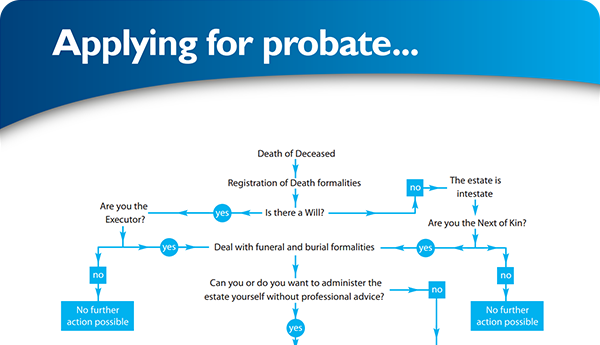
Testimonials
Excellent service, everything went very smoothly. Like to thank Ann and her team.... read more
Good & Reliable service, always kept up to date with what was happening. Value for money.... read more
Latest Tweet
Follow @ProbateBureau


Contact Us
0800 028 2837 info@probatebureau.comTHE PROBATE BUREAU
3 Crane Mead Business Park
Crane Mead
Ware
Hertfordshire
SG12 9PZ
×