


What happens to Premium Bonds when someone dies?

Premium Bonds stay in the prize draw for up to 12 months after the holder dies. Any prizes are held and paid by warrant, and the bonds cannot be transferred to someone else: NS&I repays them, and the money then passes through the estate.
This guide sets out what happens to Premium Bonds after death, how to make an NS&I bereavement claim as an executor or administrator, and when you may need a grant of representation.
Do Premium Bonds stay in the prize draw?
Yes, for a limited time. According to NS&I, Premium Bonds stay in the draw for up to 12 months after the death of the holder. They remain in the holder's name during that time.
There are a few things to understand about that period:
- The limit is up to 12 months. The bonds stay in the monthly prize draws for that period. After that, the bonds stop being entered into the draw, so it is worth dealing with the claim promptly.
- The bonds earn no interest. NS&I says there is no interest on the bonds after death. The only possible return is a prize.
- The bonds stay in the person's name. They are not moved into yours or anyone else's while they remain in the draw.
This 12 month window gives the family a chance of a prize while the estate administration gets under way, but it is not a reason to delay. Once you are ready to cash in the bonds, NS&I can repay them sooner, and the money can then be used to pay debts or be distributed to beneficiaries. If the person was married or in a civil partnership, the bonds do not pass automatically to their spouse or civil partner: they are dealt with through the estate like any other savings.
You may find pages that say the bonds stay in the draw for 24 months. That figure does not match NS&I's guidance, and it appears to come from the rules for Irish Prize Bonds. When you are dealing with an estate, always go to the NS&I page rather than relying on a general article or forum post.
What happens to prizes won after death
If a bond wins a prize after the holder has died, the prize money is still free of UK Income Tax and Capital Gains Tax, but it does not go straight to a bank account. NS&I says prizes are held and paid by warrant to the person entitled to them.
Two practical points follow from this:
- Prizes cannot be paid electronically after a death.
- If the holder was already sent a warrant before they died, you should return it to NS&I so it can be reissued.
The person entitled to the prize is usually the personal representative, meaning the executor or administrator dealing with the estate on behalf of those who inherit. Any Premium Bond prizes won after the date of death belong to the deceased's estate, along with the value of the bonds themselves. NS&I will tell you what it needs to see before it issues the money.
Can Premium Bonds be passed to a beneficiary?
Not as bonds. NS&I says Premium Bonds must be repaid before the money can move into another person's name. In other words, you cannot simply "inherit" a loved one's bonds and keep them in the draw.
What happens instead is this:
- NS&I repays the face value of the bonds.
- The money forms part of the estate, so the value of the bonds at the date of death is included when working out any Inheritance Tax.
- The estate is shared out according to the will, or the law if there is no will.
Premium Bonds are treated like any other savings for inheritance tax. Most estates fall below the threshold and pay no inheritance tax, but the bonds still need to be included in the total estate value you report.
If a beneficiary would like to continue holding Premium Bonds, they can buy new ones with their share of the money. That is a personal choice, and it starts a fresh holding in their own name.
How to make a claim with NS&I
NS&I, short for National Savings and Investments, is backed by HM Treasury, so the money held in Premium Bonds is safe while the claim is dealt with. The process is straightforward, and you do not need an NS&I account to start it. The executor, administrator or other person dealing with the estate tells NS&I about the death and makes the claim. NS&I lets you make a bereavement claim using an online form without an account, or you can use a paper bereavement claim form instead. One claim covers all the person's NS&I savings, including Premium Bonds, Income Bonds and any other NS&I products.
Follow these steps:
- Find the bereavement guidance. Go to NS&I's page on what to do if a customer has died.
- Choose online or paper. Complete the online bereavement form, or ask for the paper version if you prefer.
- Gather the details NS&I asks for. The form sets out exactly what it needs.
- Send any supporting documents. If a grant is required, include it (see the next section).
- Wait for NS&I to respond. Keep a note of the date you submitted the claim.
Before you start, have this ready:
- The full name of the person who died, their address, date of birth and date of death.
- Your own details and your role, such as executor or administrator.
- Any certificates or other bond information you can find, such as the holder's number, plus the death certificate and bank account details for payment if NS&I asks for them.
- A copy of the grant of representation, if NS&I asks for one.
NS&I publishes standard response times on its website, but these can vary, so check the page for the latest figures rather than relying on an older article. Allow for the claim to take some time, and plan the rest of the estate around that. Keep a copy of everything you send, and if you post original documents, recorded delivery gives you proof that they arrived. If NS&I needs more information, it will contact the person who made the claim, so make sure the contact details on the form are correct.
Do you need probate to cash in Premium Bonds?
Sometimes. NS&I says it may ask for a grant of representation if the deceased's NS&I holdings came to £5,000 or more. It also says it can ask for a grant on any amount, so a smaller balance does not guarantee that you will avoid one.
A grant of representation is the umbrella name for a grant of probate or letters of administration. GOV.UK explains how to apply for probate, including who can apply and when probate is not needed. Premium Bonds are rarely the only asset in an estate, so it is worth thinking about the whole picture before you decide. If banks and building societies also hold large balances, or there is a property in the person's sole name, you will probably need a grant for the estate administration anyway.
If you are likely to need a grant anyway, or if you simply want one team to deal with NS&I and everything else, our fixed fee probate service can obtain the grant and manage the administration for you.
Lost certificates or forgotten bonds
Many families do not know exactly what a person held. Paper certificates go missing, and some people have bonds they have long forgotten.
NS&I says it accepts photocopies of certificates, so a copy you find in a drawer or in the person's papers is still useful. If you cannot find any paperwork, you can use NS&I's prize checker tool to look for prizes, and the estate can still make a claim.
It helps to look through bank statements, old letters, the person's online account and any other records for mentions of NS&I products, such as Savings Certificates, Income Bonds or a Direct ISA. If you are unsure what the person held, include what you know on the bereavement form and let NS&I check its records.
Let one team deal with the rest
Premium Bonds are usually one of many accounts to close. If you would like one team to deal with NS&I, the banks and everything else, our fixed fee probate service can help. Request a callback or call 0800 028 2837.
Key takeaways
- Premium Bonds stay in the draw for up to 12 months after death, according to NS&I.
- Prizes are held and paid by warrant to the person entitled to the estate.
- Bonds cannot be transferred: they are cashed in and the money passes through the estate.
- NS&I may ask for a grant of representation where NS&I holdings come to £5,000 or more.
- Claims can be made online without an NS&I account.
Frequently asked questions
How long do Premium Bonds stay in the draw after death?
According to NS&I, Premium Bonds stay in the prize draw for up to 12 months after the holder dies.
Can you inherit Premium Bonds?
Not as bonds. They are repaid at face value into the estate rather than transferred to a beneficiary. NS&I repays them, and the value then passes to the people who inherit through the estate. A beneficiary can buy new Premium Bonds with their share if they wish.
Do you need probate to claim Premium Bonds?
Possibly. NS&I says it may ask for a grant of representation if the bonds and other NS&I holdings came to £5,000 or more, and it can ask for one on any amount.
How long does NS&I take to pay out after a death?
NS&I publishes its standard response times, but they can vary. Check NS&I's bereavement page for the current position when you submit the claim.
Are Premium Bonds included in the estate for inheritance tax?
Yes. The value of the bonds at the date of death forms part of the deceased's estate, so it is counted in the total estate value for inheritance tax purposes, even though prizes themselves are tax free.
Who can make an NS&I bereavement claim?
The executor or administrator dealing with the estate usually makes the claim. NS&I will tell you if it needs to see a grant of representation before it repays the bonds.
What if I cannot find the certificates?
NS&I accepts photocopies of certificates, so a copy is still helpful. If you have no paperwork at all, give NS&I as much detail as you can on the bereavement form, and the estate can still make a claim.
Useful resources
Back To BlogShare This Post


Recent posts
- What is a deed of variation and when does it make sense? By Probate Bureau , 26/11/2026
- What does a grant of probate look like, and who needs a copy? By Probate Bureau , 26/11/2026
- Probate property valuations: how to get it right first time By Probate Bureau , 25/11/2026
2015 Archive
2016 Archive
2018 Archive
2019 Archive
2020 Archive
2026 Archive
2023 Archive
- July 13 posts
0 Archive
- December 1 posts
Blog Categories
Find your way through the probate maze
Click here to follow our step-by–step probate process guide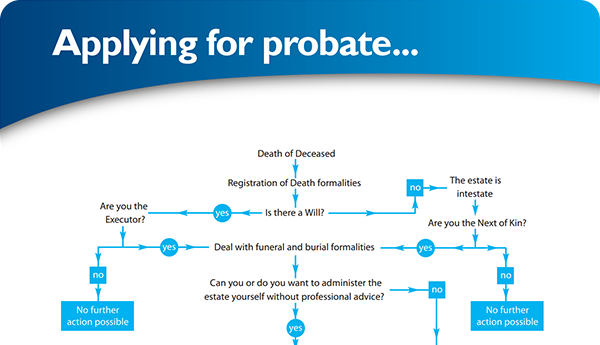
Testimonials
Excellent service, everything went very smoothly. Like to thank Ann and her team.... read more
Good & Reliable service, always kept up to date with what was happening. Value for money.... read more
Latest Tweet
Follow @ProbateBureau


Contact Us
0800 028 2837 info@probatebureau.comTHE PROBATE BUREAU
3 Crane Mead Business Park
Crane Mead
Ware
Hertfordshire
SG12 9PZ
×