


Inheriting Property with Siblings: What Happens Next?

Losing a parent is hard enough without a shared house to deal with as well. If you and your brothers or sisters have been left the family home together, you are now joint owners, and the way you inherit property UK law sets out shapes every decision that follows. This guide explains what happens next, the three main options open to siblings, and how to keep things fair without falling out.
What Happens When You're Inheriting a Property with Siblings
When a valid will leaves a property to more than one child, each sibling usually receives an equal share. Nobody owns a specific room or half the garden. Instead you each hold a share of the whole home, known as being tenants in common, and you become the legal owner of that share once the estate is settled.
If there was no will, the intestacy rules decide who inherits. As direct descendants, children normally share the deceased person's estate equally when the person died without a spouse or civil partner. You can read our guide on what happens if you die without a will for the detail, or check the intestacy rules on GOV.UK.
Before the house can be sold or transferred into your names, the estate needs a grant of probate, or letters of administration if there was no will. This legal document gives the named executors, or an administrator, the legal authority to deal with the property, and it is the point where the probate process and estate administration really begin. A solicitor can handle this stage if the estate is complex.
Not sure whether the estate even needs probate? Our team can tell you in one phone call and give you a fixed price up front. Speak to our Hertfordshire probate specialists on 0800 028 2837 before you make any decisions about the house.
Your Three Options When You Inherit Property UK-Wide
Most families who inherit property UK-wide have three realistic choices. The right one depends on whether any sibling wants to keep the home, and whether you need the money now. A house is often the largest of the estate's assets, though other assets such as savings, shares or a life insurance policy may also need dividing.
| Option | What it involves | Best suited to |
|---|---|---|
| Keep and take over | A surviving owner or beneficiary continues the payments, often after a remortgage. | Joint owners or heirs who can afford the loan. |
| Sell the property | The estate sells the home and repays the lender from the sale proceeds. | Estates where no one can or wants to keep the home. |
| Transfer with the debt | A beneficiary inherits the property and the outstanding mortgage together. | Heirs who are happy to take on the balance. |
Whichever route you choose, the property normally has to be valued first. A surveyor or estate agent sets a fair market figure, so you know what the property is worth. That figure, set against the combined value of the estate, tells you whether it is a property worth keeping or selling. If there is a mortgage, the lender or mortgage holder is repaid first, and the executor must settle debts before anyone inherits. Clearing debts early avoids surprises later. If you plan to sell, our guide on whether you need probate to sell a house walks through the process.
So you might be asking, can one sibling force the sale of an inherited property? Yes. If you cannot agree, any co-owner can apply to the court for an order for sale under the Trusts of Land and Appointment of Trustees Act 1996, though most families settle long before it reaches that stage.
Tax, Costs and Keeping the Property Safe
When you inherit property UK inheritance may already be due on the estate before the house passes to you. It is charged on the whole estate above the tax-free threshold, not on each sibling's share separately, and the executor settles it before the property is transferred. A residence nil rate band can lift that allowance when a main residence passes to direct descendants, so a family main home is often taxed more lightly than other assets. The estate may also owe interest if the tax is paid late.
How you are taxed on an inherited property depending on what you do with it then varies. If the house later sells for more than its probate value, you may need to pay capital gains tax on the profit. For example, a gain in a later tax year is measured from the probate valuation, not the original purchase price. You usually do not pay tax on the increase if the property has been your main home. A tax adviser can confirm your position before you sell.
If the house later sells for more than its probate value, capital gains tax can also apply to the increase. There are everyday costs too. The property still needs buildings insurance, and any mortgage or utility bills continue during administration.
You will also need to update the Land Registry records once ownership changes, so the title reflects the new owners correctly.
Income Tax and Renting Out an Inherited Home
If you keep and let the inherited home, each sibling becomes a landlord on the share they own. Once you start receiving income from tenants, that rental income counts for income tax, and you each pay income tax on your portion in your own name. Letting can bring benefits, but someone has to manage the property and stay responsible for repairs, insurance and tax returns.
Mortgage Payments and Insurance During Probate
The property still needs to be looked after while the estate is settled. Buildings insurance should stay in place, and any mortgage payments or utility bills continue during administration. Agreeing early who covers these costs, and from which account, avoids friction later.
You will also need to update the Land Registry records once ownership changes, so the title reflects the new owners correctly.
How to Avoid a Family Dispute
Shared inheritances test even close families. Money, grief and old rivalries can surface at the worst possible time. Our blog on the 8 signs a family will fight over an estate shows the warning signs to watch for.
A few simple habits help. Agree on an independent valuation rather than guessing. Put decisions in writing. Bring in a neutral professional early if feelings run high. We once helped siblings reach a fair outcome after a long stand-off, as our sibling rivalry case study shows.
Going through this often makes people want to spare their own children the same stress. If that is you, it may be time to sort your own will. Our wills, trusts and powers of attorney service sets out clear wishes so your family is not left guessing.
Frequently Asked Questions
Do all siblings have to agree to sell an inherited house?
Not always. If you all co-own the property you would ideally agree, but if you cannot, a co-owner can ask the court to order a sale. Reaching agreement between yourselves is faster, cheaper and far less stressful.
How is an inherited properties divided between siblings?
The property is valued, then each sibling receives their share of that value. You can sell and split the proceeds, or one sibling can buy out the others based on the same valuation.
Do you pay inheritance tax when you inherit a house with siblings?
Taxes is paid by the estate before you receive anything, not by each sibling individually. Whether any is due depends on the total value of the estate and the allowances available.
Can one sibling live in the house rent-free?
Only if the other owners agree. If one sibling occupies the property, the others may be entitled to a share of a market rent, known as an occupation rent, unless everyone agrees otherwise.
What if one sibling wants to keep the house and the others want to sell?
The sibling who wants to keep it can buy out the others at the valued price. If they cannot raise the funds, selling is usually the fairest way to release everyone's share.
Talk to The Probate Bureau
Whatever you decide when you inherit property UK situations like this are far easier with the right people beside you. The Probate Bureau offers fixed-fee, plain-English help across Ware and the wider Hertfordshire area. Learn more about us on our homepage, or get in touch with our team for a clear price and a friendly first conversation.
Back To Blog
Share This Post


Recent posts
- What Happens If You Leave Inheritance to Someone on Benefits? By Admin , 20/08/2026
- Common Causes of Probate Delays (and How to Avoid Them) By , 19/08/2026
- Top 10 Probate Mistakes That Cost Families Thousands By , 19/08/2026
2015 Archive
2016 Archive
2018 Archive
2019 Archive
2020 Archive
2026 Archive
2023 Archive
- July 13 posts
0 Archive
- December 1 posts
Blog Categories
Find your way through the probate maze
Click here to follow our step-by–step probate process guide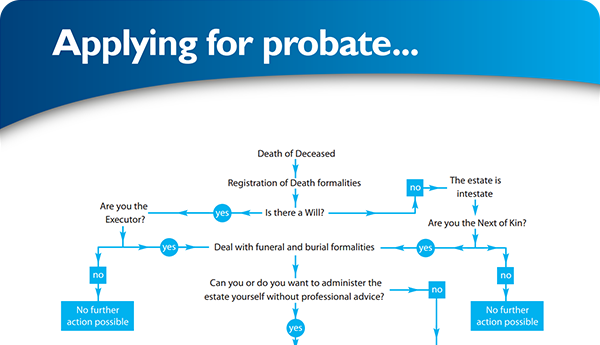
Testimonials
Excellent service, everything went very smoothly. Like to thank Ann and her team.... read more
Good & Reliable service, always kept up to date with what was happening. Value for money.... read more
Latest Tweet
Follow @ProbateBureau


Contact Us
0800 028 2837 info@probatebureau.comTHE PROBATE BUREAU
3 Crane Mead Business Park
Crane Mead
Ware
Hertfordshire
SG12 9PZ
×