


What Happens If You Leave Inheritance to Someone on Benefits?

Inheritance Impact on Universal Credit: What Happens If You Leave Inheritance to Someone on Benefits?
Receiving Inheritance While On Benefits
Understanding Inheritance and Benefits
Receiving an inheritance can affect Universal Credit because the money or assets you inherit are usually treated as capital. If your total capital stays below £6,000, your Universal Credit is normally unaffected; between £6,000 and £16,000, your payment can be reduced; and above £16,000, you will usually stop qualifying. The same capital rules can also affect other means-tested support, including Income-based Jobseeker's Allowance, Pension Credit, Council Tax Support and, in some cases, Housing Benefit and tax credits.
For individuals and families in England who already claim benefits or expect to receive an inheritance, the key issue is not just what you inherit, but how and when it must be reported. Failing to tell the relevant department can lead to reduced payments, overpayment recovery, or allegations of benefit fraud. Inheritance can include cash, property and valuable possessions, so this guide explains how inherited assets are assessed, what to declare to the DWP, how different benefits may be recalculated, and when legal or financial advice may help you protect your position and stay compliant.
Means-Tested Benefits Thresholds
- Below £6,000: Normally, your benefits are not affected.
- £6,000 – £16,000: You may lose some benefit, with a gradual reduction as your capital increases.
- Above £16,000: You are typically ineligible for benefits.
Council Tax Reduction might be adjusted if an individual's capital surpasses the lower limit. Similarly, those on Pension Credit need to stay vigilant about their increased wealth, as it may necessitate recalculations of their benefits. Each person's circumstances are unique, but understanding the inheritance impact on Universal Credit and related benefits early can help you avoid mistakes, keep the right support in place, and make informed decisions after receiving an inheritance.
Eligibility for Benefits with an Inheritance
When someone receives an inheritance, it may affect their eligibility for certain benefits, particularly those which are means-tested. Understanding how the additional funds influence the assessment of economic need is crucial for maintaining benefit entitlements.
Impact of Inheritance on Means-Tested Benefits
Means-tested benefits, like Universal Credit, Income Support, and Housing Benefit, are designed to support individuals who fall below a specific income or capital threshold, so inheritance affects Universal Credit by changing both capital and, if invested, an individual's income. For example, inheriting money through a direct inheritance that pushes savings above £6,000 means every £250 over that threshold is treated as having an incremental monthly income, which may reduce the amount of benefits one is entitled to receive. Claimants may also spend inherited funds on clearing debts or other reasonable living costs without that automatically counting as deprivation.
Savings Limits and Capital Rules
The rules around savings limits and capital can determine a person's eligibility for benefits after receiving an inheritance, and once received, cash held in a bank account counts toward those capital limits. Should an individual's savings fall between £6,000 and £16,000, a tapering effect normally takes place where benefits are reduced progressively. Above £16,000 in savings and capital, a person is typically not eligible for means-tested benefits. The same capital rules often affect other means-tested benefits as well, not just Universal Credit. This is because they are presumed to have adequate resources to support themselves without additional aid from the state.
How to Report an Inheritance
When an individual receives an inheritance, it is crucial to report the change in circumstances to the Department for Work and Pensions (DWP), as failing to do so could lead to legal consequences, including a possible prison sentence for fraud.
Notification Responsibilities
Upon receiving an inheritance, the beneficiary must declare the change in financial status to the DWP. One should report both the amount and the date when the inheritance was received. It is advisable to report these changes in writing to have a record of the communications with the DWP. If the beneficiary is in receipt of benefits, there are strict reporting timelines that must be adhered to, usually within a month of receiving the inheritance to avoid penalties or overpayment claims.
- Contact DWP: Reach out to the appropriate benefits office or use the contact information provided in benefit documentation.
- Provide necessary details: Include the total amount inherited, the date the money or assets were received, and documents from probate proceedings, including probate records, if available as supporting evidence.
- Update your benefits claim: Adjust your benefit claim accordingly to reflect the new financial circumstances.
The DWP may verify reported inheritance information through HMRC data and related records.
Deprivation of Assets and Legal Consequences
If a person purposefully deprives themselves of assets through deliberate deprivation to maintain eligibility for means-tested benefits, it may lead to accusations of deprivation of assets. Transferring an inheritance to someone else or putting the funds into a trust with the intention to avoid affecting benefits can be viewed by the DWP as an act of deprivation. Disclaiming or redirecting an inheritance may still be treated as notional capital. This could result in either a reduction or cessation of benefits and potential legal ramifications. The DWP and a local authority may also look at whether preserving benefits was a significant operative purpose of the transaction before deciding how to treat it.
- Legal outcomes: Beneficiaries could face a range of outcomes from reimbursement demands to benefit adjustments or even criminal charges depending on the severity of the deception.
- Resolving issues: Beneficiaries are advised to seek legal advice if they are unsure of how an inheritance might affect their benefits to avoid the risk of committing fraud, as case law can matter when authorities assess whether the person concerned acted reasonably or intended to avoid the rules.
The inheritance must be managed in line with the terms of probate and the guidelines set out by the DWP. Failure to report correctly and intentionally attempting to deceive the benefits system can result in severe penalties, including repayment of overpaid benefits or a prison sentence. It is always safer to declare and provide full transparency than to risk the consequences of non-disclosure.
Managing Inheritance While on Benefits
When an individual on benefits receives inheritance, it's important to understand how a lump sum can impact their financial assistance and how to effectively manage income generated from inheritance investments to maintain benefit eligibility.
Integrating Lump Sum Inheritances
Upon receiving a lump sum inheritance, it's essential to assess how it could affect means-tested benefits, as most are sensitive to changes in an individual's savings. Beneficiaries should promptly inform the relevant benefits office of their new financial circumstances to avert penalties or overpayments which may later need to be repaid. Simply refusing or redirecting inheritance money through a Deed of Variation may not protect entitlement, as the DWP can still consider whether the person has deliberately deprived themselves of capital to retain benefits.
In some cases, a discretionary trust can protect inheritance from being counted as capital because the beneficiary does not directly own the funds, and trusts can prevent direct ownership of capital by vulnerable beneficiaries. Where the beneficiary is a disabled person, a Disabled Person's Trust may also help protect benefits and can offer tax advantages. Before changing how an inheritance is received, seek advice from a solicitor and a financial advisor.
Income from Inheritance Investments
Investing an inheritance into stocks, bonds, or shares could potentially generate additional income. This added income can influence benefit entitlements as well. One must carefully consider the type of investments and anticipate the level of income they would procure. For instance, investing in stocks might offer dividends, while bonds could provide periodic interest payments.
The key is to remain within the limits that would not affect the benefits, being mindful that even small increases in income could warrant a reassessment of benefit entitlements. Spending inherited funds on essential repairs is usually treated as reasonable spending rather than deprivation. It's wise to seek financial advice to optimise investment strategies without endangering benefit eligibility. Organisations like Scope UK are helpful resources for understanding how inheritance and income from investments interact with disability benefits and allowances.
Housing Considerations for Beneficiaries
When an individual inherits property, it can have significant implications on their housing benefits and ability to manage housing costs. These considerations need to be taken into account for beneficiaries to maintain stability, claim housing benefits and comply with benefit regulations.
Inheritance Affect on Housing Benefit and Support
Inheriting property may lead to a reassessment of one's housing benefits and council tax support eligibility. If an individual receives housing benefits, the acquisition of a property could be perceived as a change in capital which might exceed the £16,000 threshold. At this point, the individual may no longer qualify for full housing benefit.
For those receiving council tax support, the inheritance could also impact the amount of support they receive, as local authorities take capital and changes in circumstances into account when calculating eligibility.
Mortgage and Rent Payments
Upon inheriting a property, it's worth considering the status of mortgage repayment obligations. A clear understanding is necessary regarding whether the property inherited is outright owned or has an outstanding mortgage. If mortgage repayments are due, beneficiaries must ensure these commitments are met to avoid mortgage loan defaulting.
Similarly, for beneficiaries currently in rented accommodation who inherit property, decisions must be made concerning rent payment commitments. This might involve deciding whether to move into the inherited property or potentially renting it out to cover their existing rent and living costs.
Managing inheritance effectively requires a good grasp of housing benefit regulations alongside practical financial considerations, ensuring beneficiaries make informed decisions.
Inheritance and Impact on Tax Credits
When an individual receives an inheritance, it can influence the amounts they receive from certain tax credits, particularly if these credits are means-tested. The inheritance may lead to adjustments in Child Tax Credit and Working Tax Credit, and it could also affect the amount they need to pay for Council Tax.
Child Tax Credit and Working Tax Credit Adjustments
Inheritances can affect Child Tax Credit and Working Tax Credit as these are based on household income. Child Benefit is not means-tested, so an inheritance itself does not reduce it. Should your inheritance result in increased income, for example from interest, dividends or rent, then your entitlement to these credits may diminish.
Key Adjustments
- Child Tax Credit: The amount received could be impacted if the inheritance pushes household income above £18,725 (the threshold for the 2023/2024 tax year). Beyond this, the award decreases by 41p for every extra pound of income.
- Working Tax Credit: Similar rules apply, where an increase in annual income affects entitlement on a sliding scale.
Council Tax Payment Changes
Receiving an inheritance may also influence Council Tax payments because Council Tax reduction is often means-tested. If the inheritance increases a claimant's savings above a certain threshold, they may find their entitlement to Council Tax support reduced or even eliminated.
Key Points on Payments
- Savings under £6,000: Typically do not affect Council Tax Support.
- Savings over £16,000: Except in the case of receiving Guarantee Credit, may disqualify you from receiving any Council Tax Support.
It is essential for individuals who receive an inheritance and are claiming tax credits to report these changes to the relevant authorities to ensure they are receiving the correct entitlements and to avoid potential overpayments.
Inheritance and Family Dynamics
When an individual receives an inheritance, it can significantly alter the financial landscape for both them and their family members. Careful consideration is required to understand the implications on the recipients' benefits and how the inheritance might be shared amongst other beneficiaries.
Effect on Partner's Benefits
The receipt of an inheritance can impact the benefits that a recipient's partner receives. For instance, if a partner is claiming means-tested benefits, such as Housing Benefit or Council Tax Support, an increase in savings due to an inheritance may lead to a reduction or cessation of these benefits. It is imperative that couples assess their combined savings and understand the thresholds that could affect their entitlements.
Sharing Inheritance with Other Beneficiaries
When multiple beneficiaries exist, as outlined in a will, the distribution of an inheritance must reflect the deceased's wishes. The person writing the will can sometimes structure gifts differently if they want to help a loved one who receives means-tested benefits. This planning usually needs to be done before death rather than after the beneficiary receives the inheritance. In scenarios where no clear will has been made, it falls to the rules of intestacy to determine how an inheritance is divided. This can lead to complex family dynamics, especially if disagreements arise about the sharing of assets. Transparency and adherence to legal guidelines are paramount in these situations to uphold the integrity of the inheritance process and to honour the intentions of the deceased.
Inheritance and Disability Benefits
When an individual receiving disability benefits in the UK inherits money or property, it can have implications for their benefit entitlements. Primarily, means-tested benefits may be more affected by inheritance, due to the increase in personal savings or assets.
Personal Independence Payment and Disability Living Allowance
Personal Independence Payment (PIP) and Disability Living Allowance (DLA) are not means-tested benefits. Hence, receiving an inheritance does not directly impact eligibility for these payments. However, while PIP and DLA continue, inheriting money can still affect Universal Credit or Housing Benefit. They are designed to help with some of the extra costs caused by long-term ill-health or a disability.
- PIP is available to individuals aged 16 to State Pension age.
- DLA is applicable to children under 16, serving as a precursor to PIP for adults.
It is crucial for beneficiaries to be aware that while PIP and DLA are preserved upon receiving an inheritance, holding the inherited assets may indirectly affect any means-tested benefits they currently receive or could apply for in the future. Means-tested benefits, such as Universal Credit or Housing Benefit, assess a person's income and savings, and additional financial resources from an inheritance may tip the scales, leading to a reduction or loss of these benefits.
For a disabled person, a trust may let trustees pay for care, equipment, or other needs without the beneficiary directly owning the capital, which can help protect capital eligibility; this differs from a personal injury trust, which is used for compensation rather than inheritance.
Further Information and Support
In the UK, understanding the nuances of receiving an inheritance while on benefits is crucial, specifically how it could affect one's financial situation.
Individuals in receipt of benefits should immediately seek guidance once they receive an inheritance, since it may constitute a change of circumstances that could impact their benefit entitlements. It's advisable to gather all necessary evidence related to the inheritance and get tailored advice from an expert team or support organisations that are well-versed in inheritance and benefits.
Disability Charity Scope UK offers comprehensive advice on how different benefits such as Universal Credit and Pension Credit can be influenced by an inheritance. They underscore the importance of notifying the relevant benefits office about any increase in savings.
Citizens Advice is also a useful resource for information on how changes in circumstance can affect your income support.
Back To BlogShare This Post


Recent posts
- What Happens If You Leave Inheritance to Someone on Benefits? By Admin , 20/08/2026
- Common Causes of Probate Delays (and How to Avoid Them) By , 19/08/2026
- Top 10 Probate Mistakes That Cost Families Thousands By , 19/08/2026
2015 Archive
2016 Archive
2018 Archive
2019 Archive
2020 Archive
2026 Archive
2023 Archive
- July 13 posts
0 Archive
- December 1 posts
Blog Categories
Find your way through the probate maze
Click here to follow our step-by–step probate process guide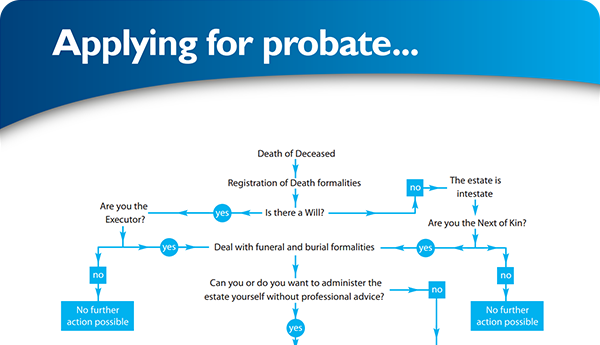
Testimonials
Excellent service, everything went very smoothly. Like to thank Ann and her team.... read more
Good & Reliable service, always kept up to date with what was happening. Value for money.... read more
Latest Tweet
Follow @ProbateBureau


Contact Us
0800 028 2837 info@probatebureau.comTHE PROBATE BUREAU
3 Crane Mead Business Park
Crane Mead
Ware
Hertfordshire
SG12 9PZ
×