


Common Causes of Probate Delays (and How to Avoid Them)

For many families, the wait for a Grant of Probate feels endless. Probate delays UK are one of the most common sources of frustration for executors, and understanding what causes them is the first step to keeping the process on track. Some delays are outside your control, but many are not.
At The Probate Bureau, we have guided families through probate across Hertfordshire since 1999. We see the same bottlenecks arise time and again. This guide sets out the most frequent causes and what executors can do to reduce the wait.
If you are already stuck mid-process, our probate administration team can step in at any stage and help move things forward.
How Long Does Probate Take in the UK?
You may be wondering: how long do probate delays UK typically last? For a straightforward online application, HMCTS currently issues most grants within 5 to 12 weeks of receiving a complete submission. The full process, however, generally takes 9 to 18 months from date of death to final distribution.
More complex estates with property, overseas assets, or tax liabilities often run longer. According to GOV.UK, executors cannot distribute the estate until the grant has been formally issued, which means any delay in obtaining it directly affects beneficiaries.
The Most Common Causes of Probate Delays
1. Errors and Omissions in the Probate Application
Incorrectly completing the probate application is one of the most avoidable causes of probate delays UK. If the Probate Registry identifies an error, it will stop the application and return it, adding weeks or months to the timeline. Common issues include submitting a photocopy of the will rather than the original, leaving sections incomplete, or sending missing documents such as the death certificate or estate valuation summary.
The single best thing an executor can do is gather every required document before beginning the application. Online applications through GOV.UK are faster than paper, but they are no less prone to errors if the underlying information is incomplete.
2. Inheritance Tax Processing
Where an estate exceeds the nil-rate band of £325,000, executors must submit IHT forms to HMRC and pay any tax owed before the grant can be issued. HMRC currently takes 8 to 12 weeks to process a full IHT400 submission, which is time added on top of the probate application itself. Interest accrues on unpaid inheritance tax after six months from the date of death, so submitting early matters.
For further detail on how IHT thresholds and rates work, the GOV.UK Inheritance Tax guide sets out the current rules clearly. Even where no tax is due, HMRC may still require a basic estate report before the application proceeds.
3. Probate Registry Backlogs
Even after a complete application is submitted, Probate Registry processing times can vary. At their worst in 2023, waits reached up to 16 weeks. As of mid-2026, most complete online applications receive a grant of probate in 5 to 12 weeks, though paper applications still take considerably longer. Delays within the Registry itself are largely outside an executor's control, but submitting online and getting the application right first time gives the best chance of a faster outcome.
4. Property Sales and Conveyancing
Where the estate includes a house, the timeline extends considerably. Property sales cannot complete until the grant is in hand, meaning executors are often waiting on two processes at once: obtaining legal authority and managing a sale. Standard conveyancing in England and Wales takes 8 to 12 weeks, and slower markets can stretch this further.
During the wait, the estate remains responsible for the property's costs, including mortgage payments, insurance, and maintenance. All outstanding debts attached to the property must be settled from estate funds before distribution can take place.
5. Complex or Overseas Assets
Estates with business interests, pension valuations, or overseas assets typically take significantly longer to administer. Foreign property often requires separate legal processes in the relevant jurisdiction, and pension providers and financial institutions each have their own timescales for releasing funds. The greater the estate complexity, the more important it becomes to instruct a specialist from the outset rather than attempting to coordinate multiple processes alone.
6. Family Disputes and Will Challenges
Where family members dispute the validity of a will or make a financial claim on the estate, a caveat can be entered to freeze the application. These situations add months or years to the process, and early legal advice is the only effective way to limit the damage.
The table below summarises the main causes of delay and how to address each one:
| Cause of delay | Typical impact | How to reduce it |
|---|---|---|
| Incomplete or incorrect probate forms | Weeks to months | Check all documents before submitting |
| Outstanding IHT forms and HMRC processing | 8–12 weeks on top of application | File IHT early; use a professional for complex estates |
| Missing or unsigned supporting documents | Application stopped until resolved | Gather originals before applying |
| Property sales and conveyancing | 4–6 months additional | Instruct a solicitor and agent early |
| Will disputes or family disagreements | Months to years | Seek legal advice at the first sign of a dispute |
Our executor duties blog covers the full range of responsibilities involved, and our wills, trusts and powers of attorney page explains how planning ahead can simplify the process for your own estate.
How to Minimise Probate Delays
The most effective way to reduce probate delays UK is to prepare thoroughly before applying. Gather the original will, certified copies of the death certificate, and a complete valuation of all estate assets and liabilities before you start. Submit the application online where possible and respond quickly to any queries from the registry.
Where IHT is involved, instructing a professional early can prevent the common mistake of submitting an incomplete or inaccurate return, which is one of the most frequent causes of applications being stopped.
Many of the probate delays UK executors experience stem from underestimating the paperwork involved. An estate that looks straightforward can turn complex quickly once bank accounts, pension providers, property titles, and third-party creditors are all factored in. Keeping detailed records throughout makes every stage more manageable.
When Professional Help Makes Sense
Not every estate needs professional support, but probate delays UK tend to be significantly shorter when an experienced team is managing the process. A fixed-fee service means the cost is predictable from the start, and having a knowledgeable team handle correspondence with HMRC, financial institutions, and the courts removes a significant burden from the executor.
The Probate Bureau has been helping families in Hertfordshire and beyond since 1999. We handle the full estate administration process, from obtaining the grant through to final distribution, or we can assist with specific stages where you need support. Visit our about us page to find out more about how we work.
Ready to get the probate process moving? Return to our homepage or contact our team today for a no-obligation conversation about your estate.
Back To BlogShare This Post


Recent posts
- What Happens If You Leave Inheritance to Someone on Benefits? By Admin , 20/08/2026
- Common Causes of Probate Delays (and How to Avoid Them) By , 19/08/2026
- Top 10 Probate Mistakes That Cost Families Thousands By , 19/08/2026
2015 Archive
2016 Archive
2018 Archive
2019 Archive
2020 Archive
2026 Archive
2023 Archive
- July 13 posts
0 Archive
- December 1 posts
Blog Categories
Find your way through the probate maze
Click here to follow our step-by–step probate process guide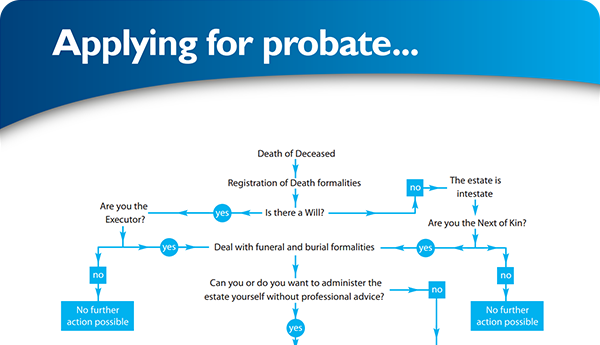
Testimonials
Excellent service, everything went very smoothly. Like to thank Ann and her team.... read more
Good & Reliable service, always kept up to date with what was happening. Value for money.... read more
Latest Tweet
Follow @ProbateBureau


Contact Us
0800 028 2837 info@probatebureau.comTHE PROBATE BUREAU
3 Crane Mead Business Park
Crane Mead
Ware
Hertfordshire
SG12 9PZ
×