


Top 10 Probate Mistakes That Cost Families Thousands

Losing someone is hard enough. The last thing a grieving family needs is to find out that probate mistakes UK executors commonly make have delayed the estate, triggered a tax penalty, or left someone personally out of pocket. Yet it happens far more often than people expect.
Probate is a legal process, not just a form-filling exercise. Executors carry real responsibilities and real liability from the moment someone dies. Our probate administration service exists to help families avoid the errors that make an already difficult time even harder.
Below, we set out the ten most common mistakes and why each one matters.
Common Probate Mistakes at a Glance
| Mistake | Key Risk |
|---|---|
| Invalid or outdated will | Wrong beneficiaries receive assets |
| Inaccurate estate valuation | HMRC penalties and underpayment |
| Missing inheritance tax deadline | Interest charges from HMRC |
| Distributing assets too early | Personal liability for the executor |
| Mixing personal and estate finances | Breach of fiduciary duty |
1. Using an Invalid or Outdated Will
One of the most damaging probate mistakes UK families encounter is acting on the wrong will. A will must be signed and properly witnessed to be legally valid. If a later version exists and is not located, the estate may be distributed to the wrong people entirely.
Always search thoroughly before assuming the will you have found is the most recent. Check with the deceased's solicitor, any will-registration services, and their personal files.
2. Inaccurate Estate Valuations
Executors must value all assets accurately before applying for the grant of probate. Using estimated or outdated figures for property, investments, or personal belongings is a very common mistake that can lead to underpayment of inheritance tax and penalties from HMRC. The GOV.UK guide to applying for probate sets out exactly what is needed before you submit your application.
Professional valuations from qualified surveyors and financial advisers are worth the cost. They also protect executors from personal criticism should beneficiaries later question the figures.
3. Missing the Inheritance Tax Deadline
Inheritance tax must be paid within six months of the date of death. Miss that deadline and HMRC charges interest on the outstanding amount. For larger estates, this can run into thousands of pounds.
The standard inheritance tax threshold is £325,000. Estates above this figure are taxed at 40% on the excess. The GOV.UK inheritance tax guidance sets out the full rules, reliefs, and deadlines in plain terms.
Paying inheritance tax before a grant of probate is issued can create cash-flow challenges, particularly when most estate funds are tied up in property. Taking professional advice early helps you plan for this.
4. Distributing the Estate Too Early
Distributing assets before all debts and liabilities are settled can leave executors personally liable for any shortfall. If a creditor comes forward after distribution and the estate funds have already been paid out, the executor may have to cover the debt from their own pocket.
Executors should typically wait until a statutory notice period has passed and all known creditors have been identified and paid. This protects both the executor and the beneficiaries.
If you are unsure about your next step as an executor, our Hertfordshire team is here to help. Contact The Probate Bureau today for a no-obligation conversation about your situation.
5. Mixing Personal and Estate Finances
Executors must keep estate funds entirely separate from their personal bank accounts. Mixing the two, even temporarily, constitutes a breach of fiduciary duty. It can trigger disputes with beneficiaries and, in serious cases, result in the executor being held personally liable.
Open a dedicated executor's account as soon as possible after the death and channel all estate income and payments through it.
6. Failing to Locate All Beneficiaries
Distributing the estate without first tracing all beneficiaries is one of the common probate mistakes that leads to legal action. If a beneficiary is later found and has not received their share, the executor can be held personally liable for the loss.
Placing a statutory advertisement in the London Gazette and a local newspaper is a recognised way to protect executors. It gives creditors and unknown beneficiaries a formal opportunity to come forward before distribution. You can place a notice directly through The Gazette's deceased estates notice service.
7. What Is the Most Costly Probate Mistake in the UK?
You may be asking: what probate mistake causes the biggest financial loss? From our experience administering estates across Hertfordshire, underpaying inheritance tax is consistently the most expensive error. HMRC charges interest and can impose penalties on top of the unpaid amount. Inaccurate valuations are the root cause in most cases, which is why independent professional valuations are so important from the outset.
8. Errors on Probate and Tax Forms
The estate administration process involves detailed paperwork, including the probate registry application and HMRC inheritance tax forms. Errors, omissions, or inconsistencies on these forms can lead to rejected applications, prolonged correspondence, and significant delays.
Probate forms require precise descriptions of assets, accurate dates, and clear declarations. A single incorrect figure can hold up the entire process for months.
9. Not Advertising for Creditors
Failing to follow formal legal procedures for notifying creditors is a risk many executors do not consider. Without placing statutory notices, unknown creditors can make claims against the estate after distribution, leaving the executor exposed.
This step is inexpensive and straightforward, but it provides important protection throughout the process.
10. Poor Record-Keeping Throughout
Executors are expected to maintain a clear record of every decision made, every payment authorised, and every communication sent during the estate administration. Poor records create disputes with beneficiaries and make it difficult to close the estate efficiently. This is one of the probate mistakes UK executors often only recognise once a dispute has already started.
If you are finding the record-keeping requirements overwhelming, our estate administration team in Ware, Hertfordshire can handle the process on your behalf, providing a clear audit trail from start to finish.
Our team has guided hundreds of families through the probate process. Find out why people choose The Probate Bureau before making any estate administration decisions.
10. Attempting DIY Probate Without Support
DIY probate is technically possible, but it is one of the most common probate mistakes UK executors make when they underestimate the complexity involved. Legal declarations, tax reporting, beneficiary tracing, asset sales, and correspondence with financial institutions all require careful handling.
Even estates that appear straightforward can contain unexpected complications. Missing a digital account, an old pension, or a foreign asset can mean the estate is not fully administered, which leaves the executor at risk.
Getting Probate Right the First Time
The probate process carries legal, financial, and emotional weight. Executors who try to manage it alone, without understanding their obligations, risk making errors that take months and significant cost to resolve. Avoiding the probate mistakes UK executors most commonly make requires early preparation, accurate record-keeping, and professional guidance where needed.
The Probate Bureau has been helping families in Hertfordshire and across the Home Counties since 1999. We offer transparent fixed fees, clear guidance at every stage, and a team that understands both the legal requirements and the human side of estate administration.
You can also read our blog on Do You Need a Solicitor for Probate? for more guidance on when professional support makes sense.
Frequently Asked Questions
What are the most common probate mistakes in the UK?
The most common probate mistakes include using an invalid or outdated will, undervaluing the estate, missing inheritance tax deadlines, distributing assets too early, and failing to locate all beneficiaries.
Can an executor be personally liable for mistakes?
Yes. Executors carry personal liability for errors made during the estate administration process. If estate funds are distributed incorrectly or debts are not settled, the executor may have to cover losses personally.
How do I avoid inheritance tax penalties?
Pay inheritance tax within six months of death, use accurate professional valuations, and complete all HMRC forms correctly. Taking professional advice at the outset reduces the risk of errors and penalties significantly.
Concerned about making a mistake with the estate? Our fixed-fee probate service at The Probate Bureau gives you expert support, clear costs, and peace of mind from day one. Get in touch with our Hertfordshire team to discuss your circumstances today.
Back To BlogShare This Post


Recent posts
- What Happens If You Leave Inheritance to Someone on Benefits? By Admin , 20/08/2026
- Common Causes of Probate Delays (and How to Avoid Them) By , 19/08/2026
- Top 10 Probate Mistakes That Cost Families Thousands By , 19/08/2026
2015 Archive
2016 Archive
2018 Archive
2019 Archive
2020 Archive
2026 Archive
2023 Archive
- July 13 posts
0 Archive
- December 1 posts
Blog Categories
Find your way through the probate maze
Click here to follow our step-by–step probate process guide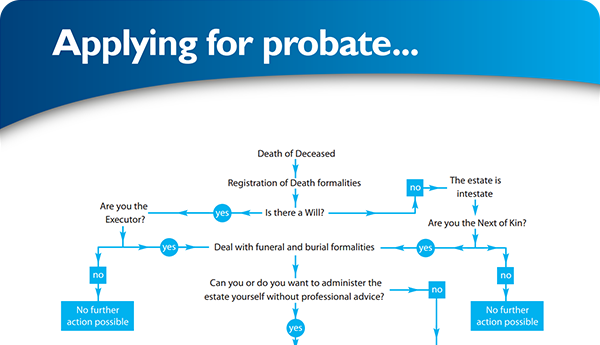
Testimonials
Excellent service, everything went very smoothly. Like to thank Ann and her team.... read more
Good & Reliable service, always kept up to date with what was happening. Value for money.... read more
Latest Tweet
Follow @ProbateBureau


Contact Us
0800 028 2837 info@probatebureau.comTHE PROBATE BUREAU
3 Crane Mead Business Park
Crane Mead
Ware
Hertfordshire
SG12 9PZ
×