


Discretionary trusts explained for families

A discretionary trust lets the trustees you choose decide which beneficiaries receive income or capital, how much they get and when, rather than fixing shares in advance. It is a way to protect family wealth while leaving room for life to change.
Picture grandchildren who are still at school, a son or daughter going through a divorce, or an adult child who would struggle to manage a lump sum. A fixed gift in a will treats all of them the same, whatever happens next. A discretionary trust gives you a different option. Our Will and Trust Department helps families set these up every day, and this guide gives you a balanced look at how they work, how they are taxed and where the drawbacks lie.
What a discretionary trust is
A discretionary trust is a legal arrangement in which assets are held by trustees for a group of beneficiaries. The trustees can make decisions about how to use the trust income, and sometimes the capital too. That includes who gets payments, how often and on what conditions, as set out on GOV.UK's guidance on types of trust.
The key point is that no beneficiary has a fixed entitlement until the trustees decide. A beneficiary is usually named as part of a class, such as "my children and grandchildren", rather than being promised a set share. The trustees then choose between them as circumstances change.
Who is involved: settlor, trustees and beneficiaries
Three roles make a discretionary trust work. Each has a different job.
| Role | What they do |
|---|---|
| Settlor | The person who creates the trust and puts assets into it. |
| Trustees | The people who legally hold the assets, make decisions and keep the records. |
| Beneficiaries | The people who may benefit from the trust, as chosen by the trustees. |
You can be the settlor and a trustee at the same time. Most families choose two or more trustees, often a mix of trusted relatives and sometimes a professional. Choosing the right people matters, because the trustees hold real power over how the money is used.
Why families use discretionary trusts
Families choose this type of trust for a handful of practical reasons.
-
Flexibility. Trustees can respond to changing circumstances, such as a beneficiary's illness, a new grandchild or a change in someone's finances. They have complete discretion over when money is paid and to whom, rather than beneficiaries having an automatic entitlement. A fixed will cannot do that.
-
Protecting young beneficiaries. Money can be held until children are old enough to manage it, and access can be delayed until a certain age, with the trustees releasing funds for education or housing in the meantime.
-
Protecting vulnerable beneficiaries. A trust can provide for someone who may struggle to manage money, without handing them a large sum outright.
-
Keeping assets away from a beneficiary's divorce or bankruptcy. Because a beneficiary does not own the trust assets outright, they are often harder for others to claim. This is a general benefit, not a guarantee, and you should always take advice on your own situation.
Discretionary trusts are usually accompanied by a letter of wishes, as Which? points out. This is a private note that tells your trustees how you would like them to use their discretion, especially where there is more than one beneficiary, often across a wider family class. It guides them without binding them.
This structure can also support estate planning by providing continuity of management of the trust's assets across generations.
Lifetime trust or will trust
You can set up a discretionary trust in two ways. A will trust is written into your will and takes effect on your death. A lifetime trust takes effect immediately, while you are still alive.
Which route suits you depends on your goals. A will trust keeps your assets under your control during your lifetime and only comes into play afterwards. If you are weighing up the options, our will and trust specialists can explain how each one would work for your family and where it may form part of wider inheritance tax planning rather than replace a will.
How discretionary trusts are taxed
Tax is where discretionary trusts need the most care. The charges below apply to a "relevant property" trust, which includes most discretionary trusts. The figures are for 2026/27, so check GOV.UK before you rely on them. They can also have wider tax implications, so individual advice matters.
| Tax | When it applies | Rate |
|---|---|---|
| Entry charge | When you transfer assets into the trust during your lifetime | 20% on value above reliefs and nil rate bands |
| 10-year anniversary charge | On every tenth anniversary of the trust | Up to 6% |
| Exit charge | When assets leave the trust | Proportionate charge, based on time in the trust |
| Income tax | On income the trust receives | 45% on most income, 39.35% on dividend-type income |
On income tax, the first £500 of trust income is taxed at standard rates. That allowance is split between trusts set up by the same settlor, so it shrinks if you create several. Trustees must also report income and gains to HMRC for tax purposes.
One more point catches people out. A home placed in a discretionary trust does not qualify for the residence nil rate band, according to Which?. If your main asset is the family home, this can change the tax picture significantly. Gifting a home can also create capital gains tax, although Private Residence Relief may reduce or remove it if the property was your main residence. It is worth noting that, under the seven year rule, gifts made within seven years of death can still affect inheritance tax calculations from the date the gift was made. Taper relief can reduce tax on gifts made three to seven years before death, but only if the total value of those gifts exceeds the nil-rate threshold.
For a wider view of how trusts fit alongside other planning, read our guide to legal ways to reduce inheritance tax.
Registering the trust
There is a limited exception: a will trust that is closed within two years of death and is not liable to tax does not need to register. The trustees are responsible for keeping the registration up to date, and registration is especially important where the trust is used for tax purposes and reporting.
If you set up a trust, build registration into the plan from the start. A missed registration can lead to penalties, and it is far easier to deal with at the outset than years later.
Drawbacks to weigh up
A discretionary trust is a powerful tool, but it is not right for everyone. Be honest about the downsides before you commit.
-
Tax complexity. Entry, 10-year and exit charges, plus trust income tax at up to 45%, make this one of the more expensive trust types to run.
-
Ongoing duties and costs. Trustees must keep records, file returns, register the trust, manage trust capital and make decisions about distributions. Some families appoint professional trustees to handle complex administration and discretionary decisions, but that will increase costs.
-
No guaranteed right for beneficiaries. A beneficiary cannot demand a payment, and the trustees decide whether anything is paid at all. That is the point of the trust, but it can feel frustrating for the people involved because beneficiaries have no automatic interest in the assets or income.
-
The choice of trustee matters. If the trustees do not act well or cannot agree, the trust will not work as you intended.
If your wishes are simple and your estate is modest, a will with fixed gifts may be enough. Our guide to when you need probate explains what happens to an estate after death, which helps you judge how much structure you need. Specialist advisers can also provide advice on whether this type of trust suits your estate and tax position.
Is a discretionary trust right for your family?
Ask yourself a few questions to see whether a discretionary trust fits.
-
Do you want to protect money for someone who is young, vulnerable or likely to face financial trouble?
-
Do you expect your family's circumstances to change over time?
-
Do you have people you trust to act as trustees, now and in the future?
-
Is your estate large enough that the tax and running costs are worth it?
If you answered yes to most of these, a discretionary trust deserves a closer look. If not, a simpler arrangement may serve you better. Either way, the right answer depends on the detail of your family and what you own, which is why advice at the planning stage pays for itself.
Many people start by setting up a trust as part of your will, because it keeps control in your hands during your lifetime. Others combine a trust with other planning, such as gifting assets while they are alive. Gifts made within the seven year rule may still be counted for inheritance tax, so timing matters. A trust is only one part of wider estate planning and does not replace a will, and our financial services team can help you look at the whole picture.
If you want to protect what you leave behind while keeping room for life to change, our Will and Trust Department can talk you through whether a discretionary trust fits your family. Request a call back from The Probate Bureau, or call 0800 028 2837. We offer free home appointments for will and trust consultations, and our team are members of the Institute of Professional Willwriters and approved by Trading Standards.
For the official position on trusts and tax, see GOV.UK's guidance on trusts and inheritance tax.
Key takeaways
-
In a discretionary trust, your trustees decide who benefits, how much and when.
-
It suits families who want flexibility or need to protect young or vulnerable beneficiaries.
-
A letter of wishes guides trustees without binding them.
-
Relevant property trusts can face a 20% lifetime entry charge, 10-year charges of up to 6% and exit charges.
-
Trust income is taxed at up to 45%, so ongoing costs need weighing up.
-
Most trusts must be registered with HMRC's Trust Registration Service.
Frequently asked questions
Who benefits from a discretionary trust?
A discretionary trust names a class of potential beneficiaries, such as your children and grandchildren, and it can benefit one or more beneficiaries. The trustees choose between them, deciding when income or capital is paid from the trust fund, how much and to whom. No one in the class has a fixed right until the trustees decide.
How is a discretionary trust taxed?
Inheritance tax can apply at three points: a 20% entry charge on lifetime transfers above reliefs and nil rate bands, a 10-year anniversary charge of up to 6%, and exit charges when assets leave. Trust income is taxed at 45% on most income and 39.35% on dividend-type income, with the first £500 taxed at standard rates. Special tax rules can apply if the settlor can also benefit.
How do the seven-year rule and taper relief work? As an example, if you give away assets and die within seven years, the gift may still be counted for inheritance tax. If death occurs more than three years after the gift, taper relief can reduce the tax due on that gift, although it does not reduce the value of the gift itself.
Can a discretionary trust protect assets from divorce?
Beneficiaries do not own the assets held in a discretionary trust, so the assets are generally harder for a former partner to claim. There is no guarantee, and the outcome depends on the facts, so take advice before relying on a trust for this purpose.
How is a bare trust, a possession trust and a discretionary trust different? A bare trust is the simplest arrangement, where a trustee holds assets for a beneficiary who can usually claim them at 18 in England and Wales. In an interest in possession trust, a beneficiary may receive income from the assets, must pay income tax on that income, and does not control the underlying assets. A discretionary trust gives trustees flexibility over who receives benefits, when and how much. The trust deed sets out how the trust fund is to be managed and who falls within the beneficiary class.
How long can a discretionary trust last?
The law limits how long a trust can last. For trusts created after 6 April 2010, the perpetuity period is generally 125 years under the Perpetuities and Accumulations Act 2009. Trustees can usually end the trust earlier by distributing the assets, if the trust terms allow.
Does a discretionary trust need to be registered?
Usually, yes. Most trusts must be registered on HMRC's Trust Registration Service. A will trust that is closed within two years of death and is not liable to tax is exempt.
Useful resources
-
GOV.UK, Types of trust: https://www.gov.uk/trusts-taxes/types-of-trust
-
GOV.UK, Trusts and Inheritance Tax: https://www.gov.uk/guidance/trusts-and-inheritance-tax
-
GOV.UK, Trusts and Income Tax: https://www.gov.uk/trusts-taxes/trusts-and-income-tax
-
Which?, Will trusts and lifetime trusts: https://www.which.co.uk/reviews/passing-on-your-money/article/will-trusts-and-lifetime-trusts-aiPh86k8UXEO
Share This Post


Recent posts
- Discretionary trusts explained for families By Probate Bureau , 29/10/2026
- Letter of wishes By Probate Bureau , 29/10/2026
- What Is a Trust in a Will & How Does It Work? By Probate Bureau , 29/10/2026
2015 Archive
2016 Archive
2018 Archive
2019 Archive
2020 Archive
2026 Archive
2023 Archive
- July 13 posts
0 Archive
- December 1 posts
Blog Categories
Find your way through the probate maze
Click here to follow our step-by–step probate process guide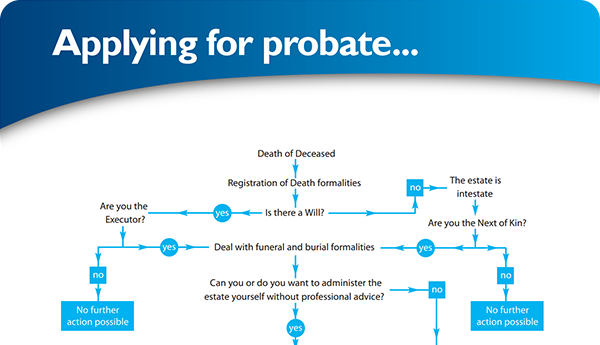
Testimonials
Excellent service, everything went very smoothly. Like to thank Ann and her team.... read more
Good & Reliable service, always kept up to date with what was happening. Value for money.... read more
Latest Tweet
Follow @ProbateBureau


Contact Us
0800 028 2837 info@probatebureau.comTHE PROBATE BUREAU
3 Crane Mead Business Park
Crane Mead
Ware
Hertfordshire
SG12 9PZ
×