


Letter of wishes

A letter of wishes is a private, non-binding note kept with your will that guides your executors and trustees. It does not change the legal terms of your will, but it explains how and why you would like decisions to be made.
Your will says what happens to your estate. A letter of wishes explains the thinking behind it. If you are planning to write or update your will, this short document can save your family from guesswork at a difficult time. This guide explains what a letter of wishes is, when it helps, what to include and where to keep it.
What a letter of wishes is
A letter of wishes is a non-binding document left with your will to guide your executors and trustees. The Gazette describes it in this way. It is written in your own words, and it is not a legal instrument.
Because it is not binding, your executors and trustees are not legally obliged to follow it as a matter of law, but they should take it into account when making decisions. In practice, most will give it serious weight, because it tells them what you wanted. It is a way of speaking to the people who will carry out your wishes when you can no longer do so yourself.
How it differs from your will
Your will and your letter of wishes do different jobs. The table shows the main differences.
| Your will | Your letter of wishes | |
|---|---|---|
| Legal status | Legally binding | Guidance only |
| Privacy | Becomes public after probate | Stays private |
| Formalities | Must be signed and witnessed properly | Signed and dated, no formal witnessing |
| Purpose | Says who gets what | Explains why and how |
The privacy point is worth noting. A will becomes a public document once probate is granted, and anyone can order a copy, according to GOV.UK's guidance on searching for a will. A letter of wishes does not operate in the same way as a will and cannot enforce key provisions that need to appear in the will itself. A letter of wishes is not part of that public record. That makes it a good place for personal explanations you would rather keep within the family. This private format can be helpful if you want to explain certain decisions or sensitive family situations without those details becoming public.
If you want to understand what happens to a will after death, our guide to when you need probate covers the process.
When a letter of wishes is especially useful
You do not need a letter of wishes for every will, but there are situations where it adds real value.
Alongside a discretionary trust
A discretionary trust gives your trustees freedom to decide who benefits and when. A letter of wishes tells them how you would like to use that freedom and can provide guidance on which beneficiaries should benefit, when, and how the trust fund should be managed. Which? notes that discretionary trusts are usually accompanied by a letter of wishes for exactly this reason. Wishes letters are especially useful when administering trusts, as trustees may need personal guidance on trust distributions. Without one, the trustees are left to guess your intentions.
If you are considering this type of trust, our team can explain how a trust written into your will works alongside a letter.
Other common uses, such as funeral wishes
A letter can also help with matters that do not sit neatly in a will:
-
Your preferences for who should look after your children as guardians, and why.
-
Who should receive sentimental personal possessions, such as jewellery or family photographs, as recording these wishes can help prevent family disputes and assist with dealing with items not listed in the will.
-
Your funeral preferences.
-
An explanation of why someone has been left out or given a smaller share.
That last point can head off hurt feelings and, in some cases, disputes. A few honest sentences from you can mean a great deal later, letting you express private explanations to loved ones in plain language, whilst still keeping sensitive matters outside the will.
What to include
A good letter of wishes is practical and clear. Use this as a checklist of common examples of the specific instructions a letter can contain and the clear guidance it can give.
-
Your funeral wishes, such as burial or cremation and any music or readings.
-
Who should receive personal items and keepsakes.
-
Guidance for trustees on how to use their discretion, for example whether to support education costs or help with a first home, and your personal guidance and instructions on how assets or money in a trust should be used for beneficiaries.
-
Your reasons for important decisions in your will.
-
Your hopes for guardians and how you would like your children to be raised.
-
Where to find important papers, accounts and passwords, and details of any digital assets, if you are comfortable including them.
-
Names and contact details for people your executors should speak to.
You do not need to cover everything. Include what will genuinely help the people who must act on your behalf, based on your personal circumstances and any extra guidance you want to give without changing the will.
What not to put in a letter of wishes
The most important rule is this: anything you need to be legally binding belongs in your will, not in the letter. If you want a particular person to inherit a particular asset, or you need anything specific to happen with your assets, put it in the will because a letter cannot make it legally binding.
Avoid contradicting your will. If the two documents say different things, the will prevails, and conflicting wording can cause confusion or even a dispute. Keep the letter to guidance and explanation, as it may explain your wishes whilst the will contains the binding terms, and make sure the two do not conflict with the gifts and trusts set out in your will.
If you are unsure what belongs where, a short conversation with a will and trust specialist can help, including deciding which instructions belong in the will and which belong in the letter. Our guide on changing a will after someone dies shows why getting the will right at the outset is so important.
How to write and update it
You can write a letter in plain, personal language without any special format.
-
Use plain English, as if you were speaking to the people who will read it.
-
Write about one topic at a time, and use clear headings so each point and any specific instructions are easy to find.
-
Sign and date it. There is no formal witnessing, but a signature and date show when you wrote it.
-
Review it after major life events and other changing circumstances so it continues to reflect your wishes and personal circumstances.
When you update the letter, destroy older versions or mark them clearly as replaced. Having two letters with different guidance is likely to cause the confusion you were trying to avoid. A letter that is five or ten years out of date can be worse than none at all, so put a review date in your diary.
Keeping your letter with your will
Store the letter with your will, so your executors find them together. Tell your executors where both documents are kept. A well-written letter is no use if nobody knows it exists.
If you keep your will with a solicitor, will writer or the Probate Service, ask whether they will hold the letter as well. It is also sensible to give your executors a copy of the location details rather than the letter itself, if you prefer to keep the contents private until the time comes.
A letter of wishes works best when it sits alongside a well-drafted will. Our Will and Trust Department offers free home appointments to help you get both right, and our team can also look at inheritance tax planning at the same time. Request a call back from The Probate Bureau, or call 0800 028 2837 to arrange a time that suits you. You can also read more about our estate administration service if you are an executor looking for support.
For official guidance on the legal side, see GOV.UK's page on making a will.
Key takeaways
-
A letter of wishes guides your executors and trustees but is not legally binding.
-
It stays private, unlike a will, which becomes public after probate.
-
It is especially useful alongside a discretionary trust.
-
Anything that must happen should go in your will, not the letter.
-
Sign, date and review it whenever your circumstances change.
Frequently asked questions
Is a letter of wishes legally binding?
No. A letter of wishes is guidance only. Your executors and trustees are not legally obliged to follow it, although they should take it into account and most will give it serious weight because it records what you wanted.
Does a letter of wishes need to be witnessed?
No formal witnessing is needed, unlike a will. Sign and date it so it is clear when it was written and that it is yours.
What should I include in a letter of wishes?
Typical content includes funeral wishes, who should receive personal items, the reasons behind important decisions and guidance for trustees and guardians. You can also include specific instructions about digital assets or particular possessions. Include only what will help the people acting on your behalf.
Can a letter of wishes override a will?
No. If a letter of wishes and a will say different things, the will prevails. The will sets the binding terms, whilst the letter provides explanation and guidance. Anything you need to be legally binding must be written into your will.
Where should I keep my letter of wishes?
Keep it with your will, and tell your executors where both documents are. If your will is stored with a solicitor, will writer or the Probate Service, ask whether the letter can be held there too.
Useful resources
-
The Gazette, A letter of wishes explained: https://www.thegazette.co.uk/wills-and-probate/content/103504
-
GOV.UK, Making a will: https://www.gov.uk/make-will
-
GOV.UK, Search for a will or probate: https://www.gov.uk/search-will-probate
-
Which?, Will trusts and lifetime trusts: https://www.which.co.uk/reviews/passing-on-your-money/article/will-trusts-and-lifetime-trusts-aiPh86k8UXEO
Share This Post


Recent posts
- Discretionary trusts explained for families By Probate Bureau , 29/10/2026
- Letter of wishes By Probate Bureau , 29/10/2026
- What Is a Trust in a Will & How Does It Work? By Probate Bureau , 29/10/2026
2015 Archive
2016 Archive
2018 Archive
2019 Archive
2020 Archive
2026 Archive
2023 Archive
- July 13 posts
0 Archive
- December 1 posts
Blog Categories
Find your way through the probate maze
Click here to follow our step-by–step probate process guide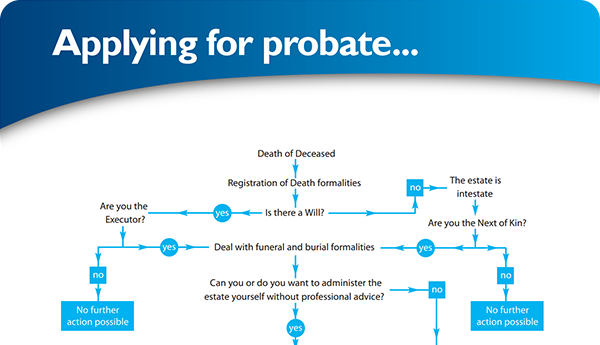
Testimonials
Excellent service, everything went very smoothly. Like to thank Ann and her team.... read more
Good & Reliable service, always kept up to date with what was happening. Value for money.... read more
Latest Tweet
Follow @ProbateBureau


Contact Us
0800 028 2837 info@probatebureau.comTHE PROBATE BUREAU
3 Crane Mead Business Park
Crane Mead
Ware
Hertfordshire
SG12 9PZ
×