


What Is a Trust in a Will & How Does It Work?
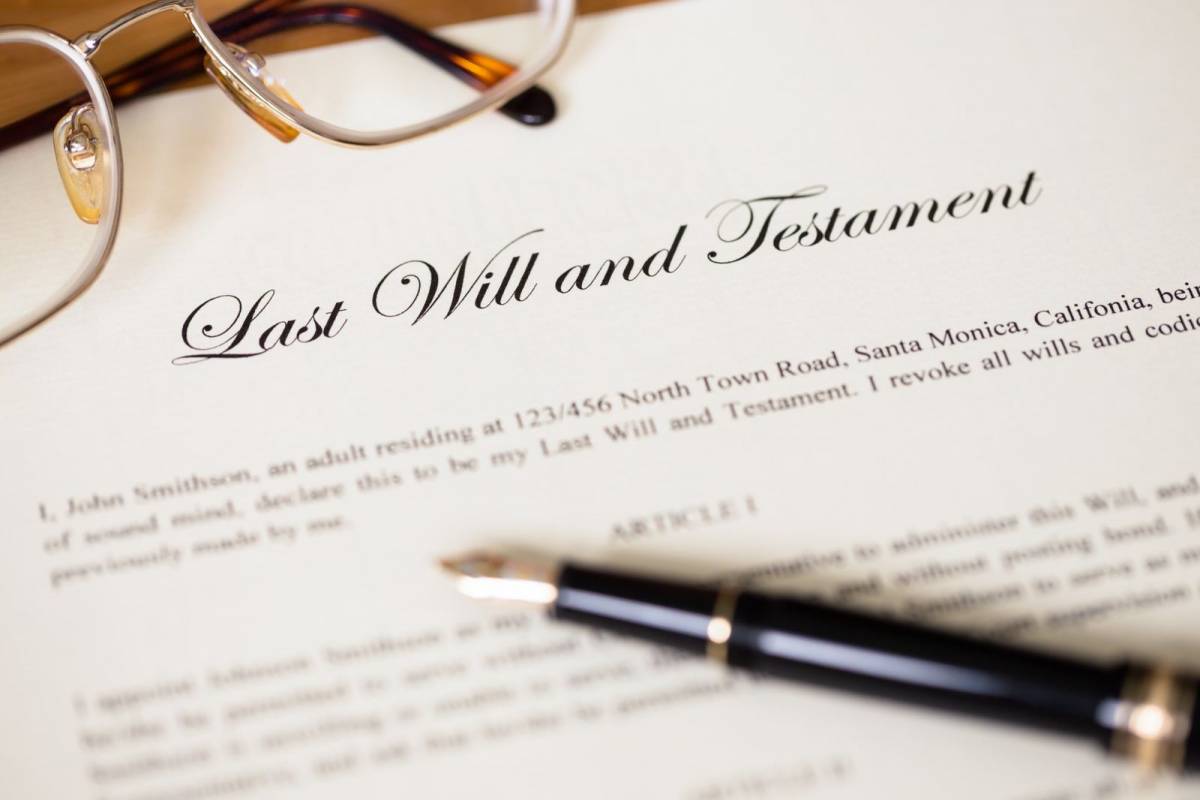
A trust in a will, also called a will trust, is a provision written into your will that only takes effect after you die: your executors pass assets to trustees, who then manage them for your beneficiaries under the instructions set out in the will.
People use will trusts to protect children, provide for a second or blended family, support someone who could not manage money alone, or control when and how money or property is passed on. This guide explains how a trust in a will works after death, the roles of executors, trustees and beneficiaries, the main types of will trust, and the tax and registration points to know. If you are thinking about trusts written into your will, it will help you decide whether a trust is needed and what to ask next.
What a will trust is
A will trust is a trust created by the terms of your will. It takes effect on death, unlike a lifetime trust, which takes effect immediately, as Which? explains. Until you die, nothing is held in trust, and you keep full control of your assets.
When you die, the part of your estate you have placed in trust is set aside and held by your trustees. They then look after it for the beneficiaries you named, following the instructions in your will. You might want the trust to last for a few years, until a child turns 25, or for the rest of someone's life.
How a will trust works after you die
The process follows a clear order. Here is what usually happens.
-
Death. You die, and your will, with its trust terms, becomes the guide for your estate.
-
The grant. Your executors apply for the grant of probate, which gives them legal authority over your assets. Our guide to when you need probate explains this stage.
-
Administering the estate. The executors collect the assets, pay debts, expenses and any tax, and work out what is left.
-
Transfer to the trustees. The executors pass the assets set aside for the trust to the trustees.
-
Management by the trustees. The trustees hold and manage the assets under the terms of your will, and pay out to beneficiaries as the will directs.
The people who deal with the estate, known as personal representatives, must make sure the trust is set up properly and that tax is paid, according to GOV.UK. After that, the trustees take over and handle any later inheritance tax charges. Our team can support executors through the early stages with our estate administration service.
The people involved
Three groups of people play a part. Executors and trustees are often the same people, but they do different jobs.
| Role | What they do |
|---|---|
| Executors | Deal with your estate after death, obtain the grant and pass trust assets to the trustees. |
| Trustees | Hold and manage the trust assets for the beneficiaries over time and must comply with the terms of the trust deed. |
| Beneficiaries | The people who benefit from the trust, such as your children or a surviving partner. |
You can name the same people as both executors and trustees, which keeps things simple, but acting as trustee is a real responsibility. Some people also appoint a professional alongside family members, so there is a skilled hand on the tiller.
Common reasons for a trust in a will
There is no single reason to include a trust. These are some of the most common.
-
Children under 18. Children cannot legally own property outright.
-
Blended families. A common example is letting a surviving partner remain in the home, with the property later passing to children from a previous relationship.
-
Protecting the family home. A trust can set aside your share of a property for a particular purpose, such as letting a partner stay there for life and preserving it for children or future grandchildren.
If any of these apply to you, a trust may be worth discussing. Our guide on gifting assets covers a different option for passing on wealth while you are alive.
Common types of will trust
GOV.UK lists several types of trust. Three come up most often in wills.
-
Bare trust. The beneficiary is entitled to the capital and income from the trust fund and can take it once they are 18 or over.
-
Life interest trust. Also known as an interest in possession trust. The beneficiary, often called the life tenant, receives the income or may use the trust property during their lifetime, and the capital then passes to others.
-
Discretionary trust. The trustees decide who benefits, how much and when, which can include more than one beneficiary and lets them respond to changing circumstances.
There are different types of will trust, and some are mixed trusts that combine features of more than one type.
Each type gives beneficiaries different rights and is taxed differently. Our will and trust team can explain which suits your circumstances.
Tax and registration
Assets in a will trust are usually part of your estate for inheritance tax, according to Which?. The tax on your estate is assessed when you die, and the executors pay any bill due before the trust assets move on. Trust income can also create an income tax position after death, depending on how the trust operates. Some trusts then face further charges later, depending on the type, and discretionary trusts can incur inheritance tax charges every 10 years. Our guide to legal ways to reduce inheritance tax sets out the wider options.
Most trusts must be registered with HMRC's Trust Registration Service. In England and Wales, registration requirements for a will trust depend on its circumstances, although there is an exception where it is wound up within two years of death and is not liable to tax. Trustees are responsible for registering and keeping details up to date, so it is worth naming people who are organised and willing to take on the role.
In some cases, beneficiaries may receive credit for tax paid by trustees, and trusts for vulnerable persons can qualify for reduced treatment on trust income; trustees may also need to deal with HM Revenue & Customs.
Do you need a trust in your will?
Not everyone does. If your estate is simple and you want to leave everything outright to adults who can manage it, a simple will may be all you need, but it cannot offer the same control over asset distribution and timing as a trust. A trust earns its place when you want to control timing, protect someone or look after more than one group of people, with trustees acting in beneficiaries’ best interests.
Ask yourself who you want to protect, for how long and from what. If the answers involve young children, a second family or a vulnerable relative, a trust deserves a serious look. It can also help you plan for the future, for example by providing for children now and future grandchildren later. The cost of getting advice at the start is usually small compared with the cost of a will that does not do what you intended.
A trust in your will can give your family security and structure after you have gone. Talk to our Will and Trust Department or a solicitor about whether one would help, and take advantage of our free home appointments. Request a call back from The Probate Bureau, or call 0800 028 2837.
You can read the official guidance on types of trust on GOV.UK.
Key takeaways
-
A will trust is written into your will and only starts after your death.
-
Your executors pass assets to trustees, who manage them for your beneficiaries.
-
They are often used for children, blended families and vulnerable beneficiaries.
-
The main types are bare, life interest and discretionary trusts.
-
Most trusts must be registered with HMRC, with a 2-year exemption for some will trusts.
Frequently asked questions
How does a trust in a will work?
You set out the trust in your will. When you die, your executors obtain the grant, deal with the estate and pass the assets set aside for the trust to your trustees. The trustees then manage those assets for your beneficiaries under the terms you wrote.
What is the difference between a will and a trust?
A will directs what happens to your whole estate when you die. A trust is a legal arrangement that holds particular assets for beneficiaries over time under rules set by you, with trustees managing them. A will can create a trust.
Who can be a trustee of a will trust?
A trustee can be any adult you trust, and many people choose family members or friends, often the same people as their executors. You can also appoint a professional trustee, either alone or alongside family.
Do will trusts pay inheritance tax?
Your estate is assessed for inheritance tax when you die, and assets placed in a will trust are usually included. Some types of trust can face further inheritance tax charges at later points, so the type of trust matters. Some beneficiaries may also need to consider income tax on trust income they receive, with credit for tax paid by the trustees where relevant.
Does a will trust need to be registered with HMRC?
Usually, yes, on the Trust Registration Service. The exception is a will trust that is closed within two years of death and is not liable to tax.
Useful resources
-
GOV.UK, Trusts and taxes: https://www.gov.uk/trusts-taxes
-
GOV.UK, Types of trust: https://www.gov.uk/trusts-taxes/types-of-trust
-
Which?, Will trusts and lifetime trusts: https://www.which.co.uk/reviews/passing-on-your-money/article/will-trusts-and-lifetime-trusts-aiPh86k8UXEO
Share This Post


Recent posts
- Discretionary trusts explained for families By Probate Bureau , 29/10/2026
- Letter of wishes By Probate Bureau , 29/10/2026
- What Is a Trust in a Will & How Does It Work? By Probate Bureau , 29/10/2026
2015 Archive
2016 Archive
2018 Archive
2019 Archive
2020 Archive
2026 Archive
2023 Archive
- July 13 posts
0 Archive
- December 1 posts
Blog Categories
Find your way through the probate maze
Click here to follow our step-by–step probate process guide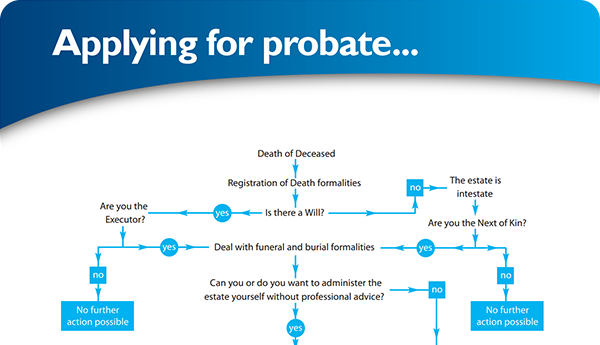
Testimonials
Excellent service, everything went very smoothly. Like to thank Ann and her team.... read more
Good & Reliable service, always kept up to date with what was happening. Value for money.... read more
Latest Tweet
Follow @ProbateBureau


Contact Us
0800 028 2837 info@probatebureau.comTHE PROBATE BUREAU
3 Crane Mead Business Park
Crane Mead
Ware
Hertfordshire
SG12 9PZ
×