


What is a life interest trust?

A life interest trust lets someone, usually a surviving partner, live in a home or receive income for life, while the capital passes to others, often children, when they die. The person with the right to the income or the home is called the life tenant.
Imagine you want your spouse to feel secure in the family home, but you also want your children from a first marriage to inherit it in the end. A life interest trust is designed for exactly that. It is one of the most common tools in will planning for blended families, and this guide explains how it works, what the life tenant can and cannot do, and where the pros and cons sit.
How a life interest trust works
A life interest trust is a form of interest in possession trust. The beneficiary receives the income from the trust, or the use of an asset, but does not own the capital, as GOV.UK describes. A trust is a legal arrangement, and the settlor is the person who creates and funds the trust. In an interest in possession trust, all the income passes to the beneficiary as it arises.
Which? gives a simple example: a spouse lives in the property until their death, and then it passes to the children. The trustees hold the property in the meantime. The spouse has the right to live there, but the house is not theirs to sell, give away or leave to someone else in their own will.
You can set up a life interest trust in your will, in which case it starts on your death. Our will and trust team can explain how the wording should work for your circumstances, with careful drafting and specialist legal advice where needed.
The life tenant and the remaindermen
Two groups of people sit at the heart of a life interest trust, with trustees in the middle managing the trust property for the intended beneficiaries.
| Role | Who they are | What they get |
|---|---|---|
| Life tenant | Often the surviving spouse or partner | The right to live in the property or receive the income for life |
| Remaindermen | Often your children | The capital, when the life tenant dies |
| Trustees | People you appoint | Legal ownership and the duty to manage the trust |
The word "remaindermen" is a legal term for the beneficiaries who receive whatever remains when the life tenant's interest ends. It covers women as well as men.
They are the remainder beneficiaries or ultimate beneficiaries, often usually the children, and trustees must act impartially between the life tenant, who may enjoy the income generated or use of the asset without owning the underlying capital, and them.
Who a life interest trust suits
A life interest trust is most often used in second marriages and blended families. Without one, you might leave everything to your new spouse, who would then be free to leave it to anyone they choose. Your children could end up with nothing, even though you always intended them to inherit. This is often important where children from a previous relationship need to be provided for, while still supporting a spouse and preserving assets for other family members and future generations.
The trust avoids that risk. It protects the surviving partner during their lifetime and keeps the capital safe for your children afterwards. That balance is why many people explore it as a way of protecting children in a blended family.
It can also suit anyone who wants a loved one to have an income or a home without handing over full ownership. As ever, the right answer depends on your family circumstances and property ownership, so take advice before deciding. If the home is held as joint tenants or under a joint tenancy, severing the arrangement so it is owned as tenants in common can allow a share of jointly owned property to pass into the trust under the will. Life interest trusts should also be carefully structured to protect assets and avoid disputes between beneficiaries.
What the life tenant can and cannot do
The life tenant benefits under the will can be valuable, but there are also clear limits.
What they can usually do:
-
Live in the property for as long as the trust allows.
-
Receive the income the trust generates, such as rent or investment income.
What they usually cannot do:
-
Sell the property or give away the capital by themselves.
-
Leave the trust assets to someone else in their own will.
Some trusts allow the trustees to agree to a sale, so the life tenant can downsize and the trust can buy a smaller home. Some wills also create a flexible life interest trust, under which trustees may advance capital or appoint capital in defined circumstances, but only if the will allows it. That flexibility depends on what your will says, so it is worth thinking about at the drafting stage. Practical questions, such as who pays for repairs and maintenance, also depend on the terms of the trust, and trustees may need to balance preserving capital for the remainder beneficiaries with the life tenant’s current needs, especially where there are other assets as well as the home, so make sure your will deals with them clearly.
You can also include trigger events, such as remarriage or the life tenant moving in with a new partner, which would end their right to live in the home. In other words, the life interest ends on death or on any other event specified in the will. These are choices you make when the will is written, and they can be sensitive. A good adviser will help you decide whether they are right for your family.
Inheritance tax and life interest trusts
The tax treatment of a life interest trust differs from that of a discretionary trust. For income tax, interest in possession trust income is taxed at 20%, and dividends at 10.75% from 6 April 2026, according to GOV.UK's guidance on trusts and income tax. Before that date the dividend rate was 8.75%. Capital gains tax can also apply, depending on the assets and how the trust is structured.
Inheritance tax is more complicated. How the trust is taxed depends on how and when it was created, and the rules for trusts set up in a will differ from those for trusts set up during your lifetime. For a qualifying trust for a surviving spouse or civil partner, the spouse exemption may apply on the first death, but the trust assets are generally treated as part of the life tenant's estate when they die. Because inheritance tax planning, tax efficiency and the residence nil rate band can all be affected by individual circumstances, you should take advice on your own circumstances. Our guide to legal ways to reduce inheritance tax gives some context, and our financial services team can help you plan. You should also take tax advice alongside legal or financial advice because outcomes depend on individual circumstances.
Pros and cons
A life interest trust offers real benefits, and it also asks something of you and your family. Here is a fair summary.
| Pros | Cons |
|---|---|
| Your partner can stay in the home or receive income for life | The life tenant does not own the capital, which can feel restrictive |
| Your children's inheritance is protected from being redirected | Trustees must be chosen carefully and may have to balance current income for the life tenant against long-term capital growth for other beneficiaries |
| Useful for second marriages and blended families | Ongoing duties and costs for the trustees |
| Can include flexibility, such as the option to downsize | Tension is possible between the life tenant and the remaindermen |
The "cons" are mostly about relationships and management, not law. If the life tenant and your children get on well, a life interest trust can work smoothly for many years. If relationships are strained, it is even more important to choose independent trustees or appoint a professional trustee in more difficult family situations, and to explain your wishes in a letter alongside your will. This can also help where there may be conflict between the life tenant and the remainder beneficiaries. There is also an ongoing administrative burden, including annual tax returns, trustee guidance, and possible professional trustee fees.
You can find the official definitions in GOV.UK's guide to types of trust.
If you want to look after your partner and protect your children's inheritance, a life interest trust may be the answer. Our Will and Trust Department can explain the options at a free home appointment. Request a call back from The Probate Bureau, or call 0800 028 2837. If you are already dealing with an estate, our probate administration team can help. You may also find our guide on when you need probate useful.
Key takeaways
-
A life interest trust gives someone the right to live in a home or receive income for life.
-
The capital passes to other beneficiaries, often children, when the life tenant dies.
-
It is a popular choice for second marriages and blended families.
-
Trustees hold the assets and the life tenant cannot sell or give them away.
-
Tax treatment differs from discretionary trusts, so take advice.
Frequently asked questions
What happens when the life tenant dies?
At the life tenant's death, their right ends and the capital passes to the remaindermen under the terms of the will. The trustees deal with the trust property in line with those instructions, and the trust assets may also be relevant for inheritance tax at that stage. These are usually your children or other people you named.
Can a life tenant sell the house?
Not on their own. The trustees hold the property, and some wills allow the trustees to agree a sale and buy a replacement home if the life tenant wants to downsize. Whether this is possible depends on the wording of the will.
Who pays for repairs under a life interest trust?
It depends on the terms of the trust. Many wills say who is responsible for repairs and running costs, so make sure yours deals with this clearly. A will and trust specialist can help you draft it.
Is a life interest trust the same as an interest in possession trust?
A life interest trust is a type of interest in possession trust. In both, the beneficiary receives the income, or the use of an asset, but does not own the capital.
Does a life interest trust avoid care fees?
There is no guarantee that any trust will avoid care costs, and any local authority assessment will depend on the facts. A local authority may look closely at such arrangements under deliberate deprivation rules if they were mainly intended to avoid fees, and life interest trusts can complicate care fee assessments. A trust created by will may be treated differently from a lifetime arrangement, so if this is a concern, take specialist advice before relying on a trust for this purpose.
Sometimes, yes.
Useful resources
-
GOV.UK, Types of trust: https://www.gov.uk/trusts-taxes/types-of-trust
-
GOV.UK, Trusts and Inheritance Tax: https://www.gov.uk/guidance/trusts-and-inheritance-tax
-
GOV.UK, Trusts and Income Tax: https://www.gov.uk/trusts-taxes/trusts-and-income-tax
-
Which?, Will trusts and lifetime trusts: https://www.which.co.uk/reviews/passing-on-your-money/article/will-trusts-and-lifetime-trusts-aiPh86k8UXEO
Share This Post


Recent posts
- Discretionary trusts explained for families By Probate Bureau , 29/10/2026
- Letter of wishes By Probate Bureau , 29/10/2026
- What Is a Trust in a Will & How Does It Work? By Probate Bureau , 29/10/2026
2015 Archive
2016 Archive
2018 Archive
2019 Archive
2020 Archive
2026 Archive
2023 Archive
- July 13 posts
0 Archive
- December 1 posts
Blog Categories
Find your way through the probate maze
Click here to follow our step-by–step probate process guide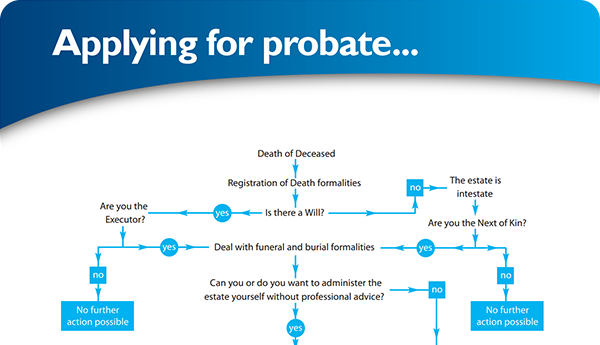
Testimonials
Excellent service, everything went very smoothly. Like to thank Ann and her team.... read more
Good & Reliable service, always kept up to date with what was happening. Value for money.... read more
Latest Tweet
Follow @ProbateBureau


Contact Us
0800 028 2837 info@probatebureau.comTHE PROBATE BUREAU
3 Crane Mead Business Park
Crane Mead
Ware
Hertfordshire
SG12 9PZ
×