


Types of will trust in the UK explained

The three main will trusts in the UK are discretionary, life interest and bare trusts. Each gives beneficiaries different rights, and each is taxed differently, so the right one depends on who you want to protect and how much control you want to keep.
A will trust is set out in your will and starts when you die. Choosing between the types can feel daunting, because the names sound similar and the rules are not obvious. This guide sets the main options side by side, so you can see who each one suits. If you would like help with will trusts in the UK, our team is happy to talk it through.
Discretionary trusts
In a discretionary trust, the trustees decide who benefits, how much they receive and when, as GOV.UK explains. No beneficiary has a fixed right to a set share. Instead, the trustees choose between a group of people you have named, such as your children and grandchildren.
This type suits situations that are uncertain or sensitive. Examples include young beneficiaries, a vulnerable person who may struggle with money, or a family where circumstances could change. A will trust is set out in your will and starts when you die, with the testator acting as the settlor of the trust created by the will. Setting up a trust in a will should usually be done with a solicitor, as trust wills can be complex. The trade-off is tax: discretionary trusts are taxed at the highest trust rates, and some can face inheritance tax charges over time. Choosing between the types can feel daunting, and trust wills can also be time-consuming to administer properly, with ongoing responsibility for trustees to keep accurate records of trust transactions. Read our full guide on how a discretionary trust works for the detail.
Life interest trusts
A life interest trust is a form of interest in possession trust. The beneficiary, called the life tenant, has the legal right to the income or the use of an asset for life, but does not own the capital. When they die, the capital passes to the people you chose, often your children. GOV.UK and Which? both describe this arrangement.
It is a popular choice in second marriages and other blended families, especially where children are from a previous relationship, because it can avoid accidental disinheritance. It lets you look after your partner while making sure your children are not left out and still benefit later. A common example is a surviving spouse living in the family home for life or receiving income from it, while the property passes to the ultimate beneficiary, often the settlor's children.
Bare trusts
A bare trust is the simplest of the three. The beneficiary is entitled to all the capital and income once they are 18 or over, according to GOV.UK. Until then, the trustees hold the assets for them. In Scotland, the age is 16, as Which? notes.
Bare trusts suit gifts for children when you want the money held safely until they reach adulthood, but you are happy for them to have full control at that point. The beneficiary cannot be stopped from claiming what is theirs, which is both the strength and the limitation of this trust.
Property trusts for jointly owned homes
Some people use a will to leave their share of a jointly owned home on trust. These are often called Property Trust Wills. The idea is that your share of the house is held in trust for your chosen beneficiaries, and the trustees manage it according to the trust deed, while your surviving partner can usually carry on living in the home, may be allowed to move, or receive income generated from the property, so the deceased’s share is preserved before the property passes to those beneficiaries.
This approach is generally used by couples who own their home in a particular way, and the way you own the property can affect whether a property trust is possible. It is something to check carefully with a specialist before you rely on it, because the ownership structure of your home matters. Our guide on gifting assets looks at related ways of passing on property during your lifetime.
Comparing will trusts at a glance
The table below sets out the main differences.
| Type | Who decides | Beneficiary rights | Income tax rate | Typical use |
|---|---|---|---|---|
| Discretionary | Trustees | No fixed right until trustees decide | 45% (39.35% on dividends) | Flexibility, vulnerable or young beneficiaries |
| Life interest | The will sets the terms, trustees manage | Income or use of an asset for life | 20% (10.75% on dividends) | Second marriages and blended families |
| Bare | Beneficiary, once 18 or over | Full right to capital and income | Taxed on the beneficiary's own position | Gifts to children |
The income tax rates are from GOV.UK's guidance on trusts and income tax. Before assets pass into a will trust, the executors manage the estate and obtain a grant of probate. A bare trust is different: the income is generally treated as the beneficiary's own, so it is taxed according to their personal circumstances. In England and Wales, the main inheritance tax rate is 40% on taxable amounts, and tax may already have been paid before assets enter trust.
Whatever you choose, the choice of trustees matters just as much as the choice of trust. Take care to appoint trustees who are organised, trustworthy and likely to be around for the length of the trust. Family members can be suitable, but so can friends or professionals depending on the circumstances. If you want help working out trusts in your will, our advisers can look at your family and your assets together.
Choosing the right trust
There is no single best trust, so it helps to plan ahead. Think about these questions to point you towards the right one.
-
Who are you protecting? Young children, a surviving partner, future grandchildren, or a vulnerable adult, including someone who receives means tested benefits, may each need a different approach.
-
How much control do you want to give? A bare trust hands over control at 18. A discretionary trust keeps it with the trustees.
-
What will it cost? Some trusts carry more tax and more admin than others.
-
How might your family change? If you expect changes, a discretionary trust offers the most flexibility.
-
What do you own? The size of your estate and the type of assets can affect which trust works best.
Different types of trust suit different families, and a will trust must meet The Three Certainties Principle to be valid under trust law.
Tax planning often sits alongside the choice of trust. Our guide to legal ways to reduce inheritance tax is a good place to start, and our financial services team can help you look at the bigger picture. If you ever need help dealing with an estate after a death, our probate administration service is there for you.
Choosing the right trust depends on your family and what you own. Our Will and Trust Department can help you compare the options at a free home appointment for your future. Request a call back from The Probate Bureau, or call 0800 028 2837 for help with wills, trusts, and lasting powers of attorney.
You can read the official definitions in GOV.UK's guide to types of trust.
Key takeaways
-
The main will trusts are discretionary, life interest and bare trusts.
-
Discretionary trusts give trustees choice over who benefits and when.
-
Life interest trusts provide income or a home for life before capital passes on.
-
Bare trusts give the beneficiary full rights at 18.
-
Each type is taxed differently, so the choice affects your family's costs.
Frequently asked questions
What are the main types of will trust?
The main types are discretionary trusts, life interest trusts and bare trusts. Each gives beneficiaries different rights and is taxed differently.
What is the difference between a bare trust and a discretionary trust?
In a bare trust, the beneficiary has a fixed right to all the capital and income once they are 18 or over. In a discretionary trust, the trustees decide who receives what and when, so no one has a fixed entitlement.
What is a property trust will?
Property Trust Wills leave your share of a home on trust for your chosen beneficiaries, and are often used to protect that share for children while a surviving partner can continue to benefit from it. How you own the property can affect whether this is possible, so take advice first.
Which will trust is best for children?
It depends on how much control you want to keep. A bare trust gives a child full rights at 18, while a discretionary trust lets trustees decide when and how much the child receives. Many parents choose a discretionary trust if they want to delay access beyond 18. Discretionary trust wills are also common where trustees need discretion because of age, vulnerability, or changing family circumstances.
Do all will trusts pay tax?
Not always, but many do. Trust income is taxed at different rates depending on the type, and some trusts face inheritance tax charges. Trustees may pay tax on trust income, and beneficiaries can sometimes receive credit for tax paid. A bare trust is taxed on the beneficiary's own position. Take advice to see how your chosen trust would be taxed.
Why do people use trust wills?
Common reasons include protecting children, supporting a partner, and dealing with blended-family circumstances. Trust wills can help place assets under trustee control after death so they are managed for the people you choose.
Useful resources
-
GOV.UK, Types of trust: https://www.gov.uk/trusts-taxes/types-of-trust
-
GOV.UK, Trusts and Income Tax: https://www.gov.uk/trusts-taxes/trusts-and-income-tax
-
Which?, Will trusts and lifetime trusts: https://www.which.co.uk/reviews/passing-on-your-money/article/will-trusts-and-lifetime-trusts-aiPh86k8UXEO
Share This Post


Recent posts
- Discretionary trusts explained for families By Probate Bureau , 29/10/2026
- Letter of wishes By Probate Bureau , 29/10/2026
- What Is a Trust in a Will & How Does It Work? By Probate Bureau , 29/10/2026
2015 Archive
2016 Archive
2018 Archive
2019 Archive
2020 Archive
2026 Archive
2023 Archive
- July 13 posts
0 Archive
- December 1 posts
Blog Categories
Find your way through the probate maze
Click here to follow our step-by–step probate process guide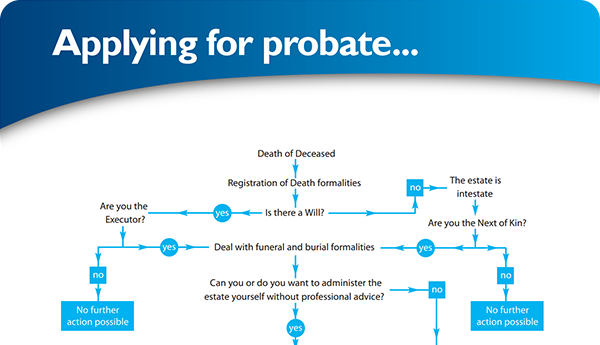
Testimonials
Excellent service, everything went very smoothly. Like to thank Ann and her team.... read more
Good & Reliable service, always kept up to date with what was happening. Value for money.... read more
Latest Tweet
Follow @ProbateBureau


Contact Us
0800 028 2837 info@probatebureau.comTHE PROBATE BUREAU
3 Crane Mead Business Park
Crane Mead
Ware
Hertfordshire
SG12 9PZ
×