


Does getting married cancel your will?
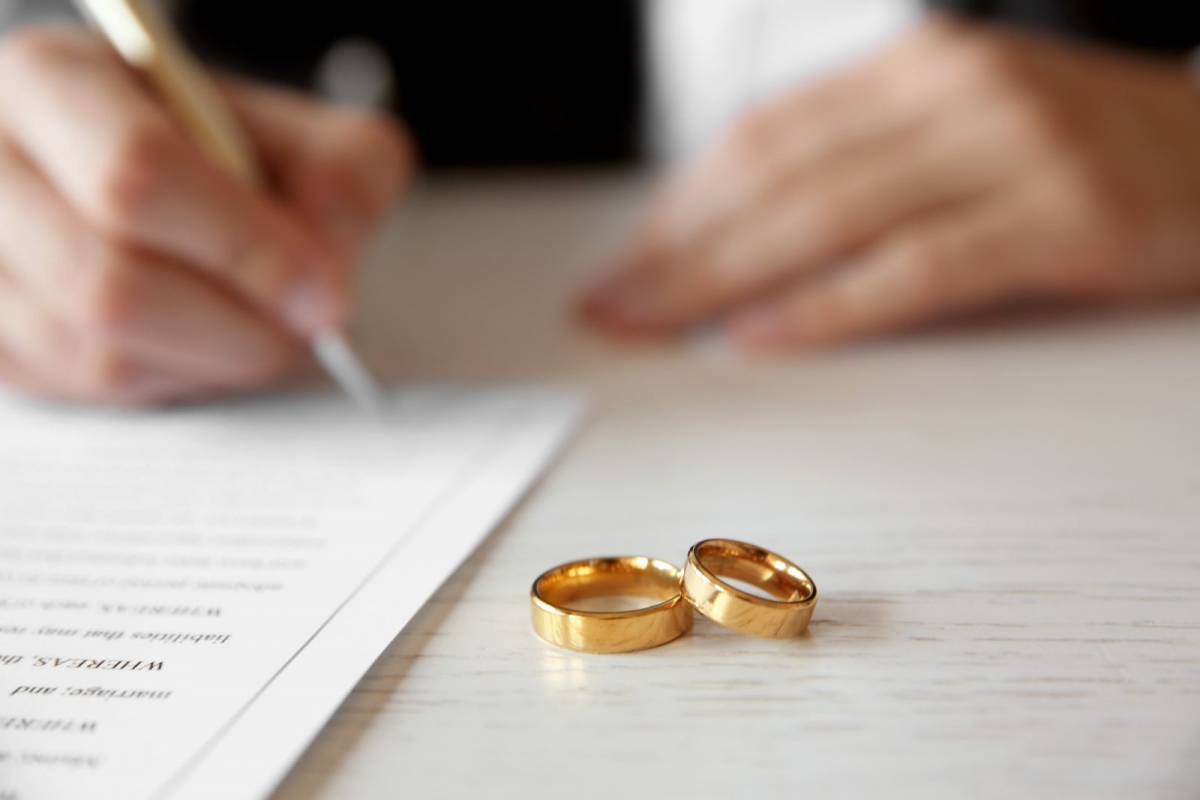
Yes. In England and Wales, marriage or civil partnership automatically cancels an existing will, unless the will was made expecting to marry that particular person. Without a new will, the intestacy rules decide who inherits.
That surprises many couples. You might have a will that leaves everything to your children or a sibling, and assume it will carry on after the wedding. It will not, unless an exception applies. If you are planning a wedding, making a new will after you marry is one of the most important admin jobs on your list. This guide explains the rule, the exception, what happens if you do nothing and what to do next.
The short answer
Marriage automatically cancels a previous will in England and Wales, as GOV.UK states in its guidance on updating your will. You do not have to do anything for this to happen. The wedding itself revokes the will, even if you have not thought about it since.
A civil partnership has the same effect, as HMRC's Inheritance Tax Manual explains. The Civil Partnership Act 2004 applies the same rule to civil partners.
This is different from divorce. Ending a marriage does not cancel a will in the same way.
The exception: wills made in contemplation of marriage
There is one important exception. A will made on or after 1 January 1983 is not cancelled by marriage if you made it expecting to marry a particular person, and you did not intend the marriage to revoke it. HMRC's Inheritance Tax Manual sets this out, and it comes from the Administration of Justice Act 1982.
In practice, this is a will "in contemplation of marriage". It usually names your intended spouse by full name and says clearly that the will is made in expectation of marrying them. The wording matters. Simply planning to marry in the future is not enough; the will must say it is made in contemplation of that specific marriage. If drafted correctly, it can remain valid after the wedding. A will that does not say this, or that names the wrong person, will not benefit from the exception.
This route suits couples who want certainty that their will still reflect their wishes after marriage and want to avoid a gap in their planning. If you are not sure whether your will qualifies, it is safer to assume that it does not, and to make a new one. Our will writing team can check the wording with you.
What happens if you do not make a new will
If marriage cancels your will and you do not replace it, you are treated as having died without a will. The estate passes under the intestacy rules, which set out a fixed order for the distribution of the deceased's estate. GOV.UK explains that without a will, the law decides who inherits.
That has real consequences. The intestacy rules may not match what you want. Some examples of people who can lose out:
-
Children from an earlier relationship, who may receive less than you intended.
-
An unmarried partner, who does not have the same legal rights as a spouse and has no automatic right to inherit, so they may need to bring a claim for financial provision. That can be costly and time consuming, and the outcome is not guaranteed.
-
Friends, charities and other people you wanted to remember.
-
Your new spouse, who under intestacy as the surviving spouse may receive a statutory legacy.
You can check the position using GOV.UK's guidance on who inherits if someone dies without a will. For anyone with a blended family or complicated wishes, it makes sense to avoid intestacy altogether.
If you are on the other side of this problem and are dealing with an estate where there is no valid will, our probate administration team can guide you. Our guide to when you need probate explains the process.
Is the law changing?
Until the law is changed, the current rule applies: marriage revokes a will, subject to the exception above.
The practical advice stays the same. Do not wait for a change in the law. The Law Commission has reviewed the law on wills, including whether marriage should continue to cancel an existing will.Any change would need new legislation.
Plan on the basis that your will is cancelled when you marry, and make a new one.
What to do if you are getting married
A few simple steps will protect you and your family. Use this checklist. Keeping your will up to date after marriage is essential if you want it to reflect your current wishes.
-
Review your existing will. Read it, and ask yourself whether it still reflects your wishes, and check each executor appointment still matches what you want.
-
Decide whether to make a will in contemplation of marriage. If you want your current will to survive the wedding, it needs the right wording before you marry. This can also help if you intend to remarry and want planning in place before the ceremony.
-
Make a new will. Many couples choose to sign a new will shortly before or soon after the wedding, so that there is no gap.
-
Update your beneficiaries elsewhere. Check pension nominations, life insurance and other documents that sit outside your will.
-
Think about trusts. If you have children from a previous relationship, a trust can protect them while providing for your new spouse. Our guide to gifting assets explains another way of planning ahead.
-
Look at your wider plans. A marriage can change your inheritance tax position, and our financial services team can help with the bigger picture, including how property ownership arrangements may affect what passes under your will. You might also read about legal ways to reduce inheritance tax.
Getting married is the perfect moment to put a new will in place. Our Will and Trust Department offers free home appointments to make it simple, and we can also talk to you about lasting powers of attorney while you are planning ahead. Request a call back from The Probate Bureau, or call 0800 028 2837. You can also read about our lasting power of attorney service.
For the official guidance, see GOV.UK's page on updating your will.
Key takeaways
-
Marriage or civil partnership automatically revokes an existing will in England and Wales.
-
A will made in contemplation of marriage to a specific person can remain valid.
-
Without a new will, the intestacy rules decide who inherits.
-
Children from earlier relationships can lose out if you do not act.
-
Review your will before or soon after your wedding to help ensure it still reflects your wishes.
Frequently asked questions
Does marriage automatically revoke a will in the UK?
In England and Wales, yes. Marriage automatically cancels an existing will unless the will was made expecting to marry a particular person and was not intended to be revoked by the marriage. The same rule applies in Northern Ireland.
What is a will in contemplation of marriage?
It is a will made on or after 1 January 1983 in the expectation of marrying a named person, which states that the marriage is not meant to cancel it. It must be made in contemplation of marriage to that specific person, not just a general expectation of marriage. It needs careful wording to work.
Does a civil partnership revoke a will?
Yes. Under the Civil Partnership Act 2004, forming a civil partnership has the same effect as marriage and cancels an existing will, unless the same exception applies.
What happens if I marry and do not make a new will?
Your estate passes under the rules of intestacy, which govern who inherits from the deceased's estate in a fixed order. Children from earlier relationships, unmarried partners, friends and charities may receive less than you intended, or nothing.
Does divorce revoke a will?
No, divorce does not cancel the whole will. In general, your former spouse is treated as having died, so they no longer inherit under it. After separation or divorce, a former spouse may still appear in the will, especially if named as an executor or beneficiary, until the will is updated.
Useful resources
-
GOV.UK, Updating your will: https://www.gov.uk/make-will/updating-your-will
-
GOV.UK, Who inherits if someone dies without a will: https://www.gov.uk/inherits-someone-dies-without-will
-
The Gazette, Effects of marriage and divorce on wills: https://www.thegazette.co.uk/all-notices/content/103393
-
HMRC, Inheritance Tax Manual, IHTM12074: https://www.gov.uk/hmrc-internal-manuals/inheritance-tax-manual/ihtm12074
Share This Post


Recent posts
- Discretionary trusts explained for families By Probate Bureau , 29/10/2026
- Letter of wishes By Probate Bureau , 29/10/2026
- What Is a Trust in a Will & How Does It Work? By Probate Bureau , 29/10/2026
2015 Archive
2016 Archive
2018 Archive
2019 Archive
2020 Archive
2026 Archive
2023 Archive
- July 13 posts
0 Archive
- December 1 posts
Blog Categories
Find your way through the probate maze
Click here to follow our step-by–step probate process guide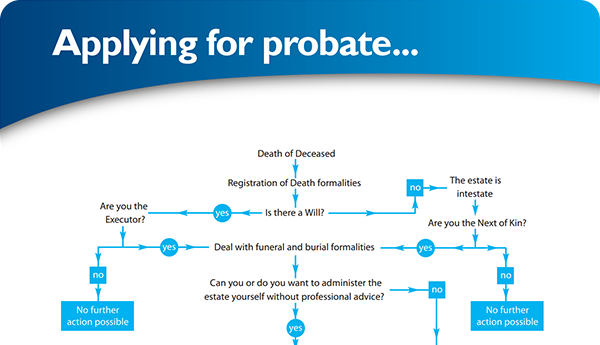
Testimonials
Excellent service, everything went very smoothly. Like to thank Ann and her team.... read more
Good & Reliable service, always kept up to date with what was happening. Value for money.... read more
Latest Tweet
Follow @ProbateBureau


Contact Us
0800 028 2837 info@probatebureau.comTHE PROBATE BUREAU
3 Crane Mead Business Park
Crane Mead
Ware
Hertfordshire
SG12 9PZ
×